Licuala Palms – Mature Specimens and Species Overview
On this page you will find photos of mature Licuala palms from our collection. Beneath each image is the name of the corresponding species. By clicking on a photo or species name, you will be taken directly to the relevant product page.
Many Licuala species are sold as young plants, making it difficult to estimate their eventual form, leaf structure and appearance. The photos on this page provide a more realistic impression of how different species develop as they mature and make it easier to compare them with one another.
The genus Licuala consists of a large group of tropical fan palms that occur primarily throughout Southeast Asia, Australia and various islands in the Pacific Ocean. Within the genus there are considerable differences in leaf size, leaf shape and growth habit. Some species remain relatively compact, while others develop into larger palms with a distinct trunk and broader crown.
Mature Licuala Species
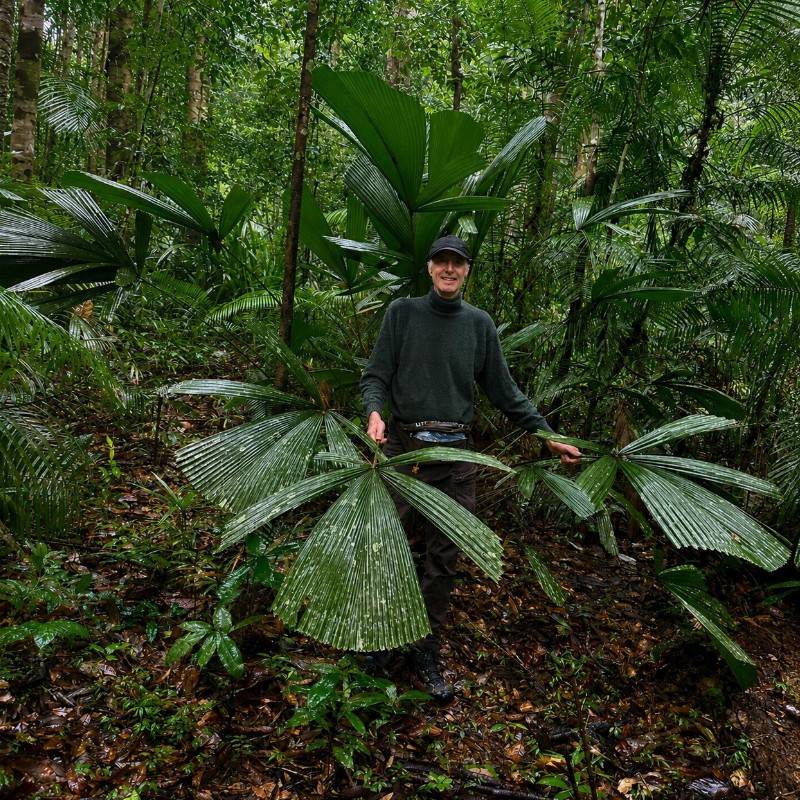
1. Licuala ahlidurii
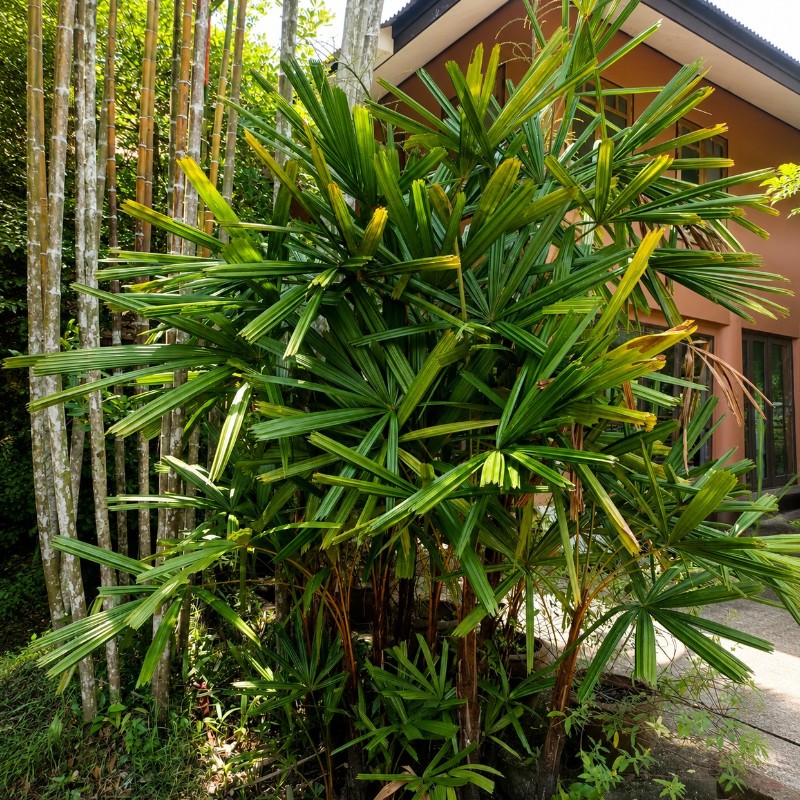
2. Licuala aurantiaca
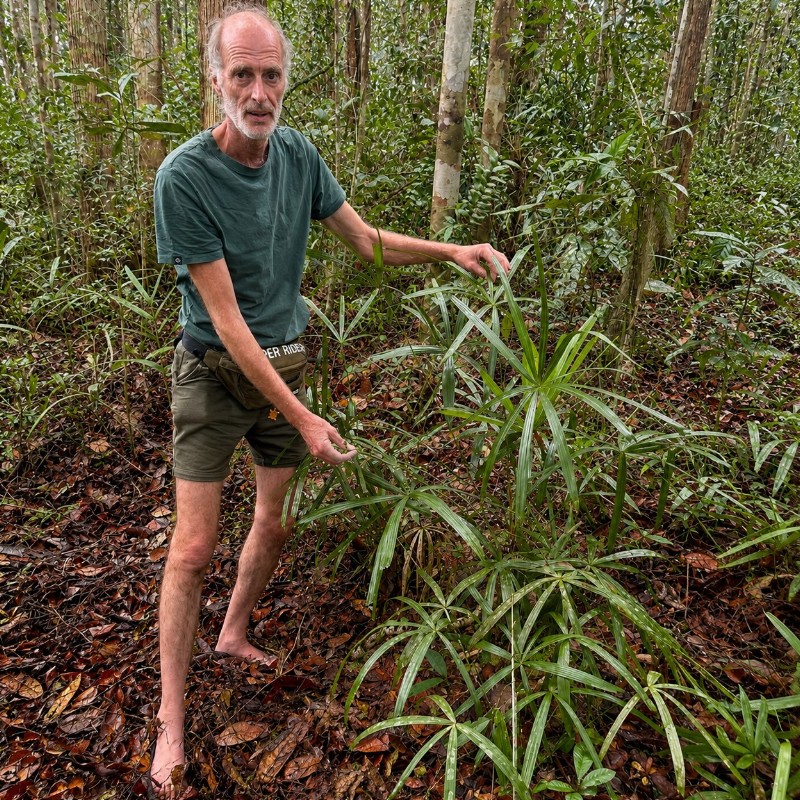
3. Licuala bidentata
4. Licuala cabalionii
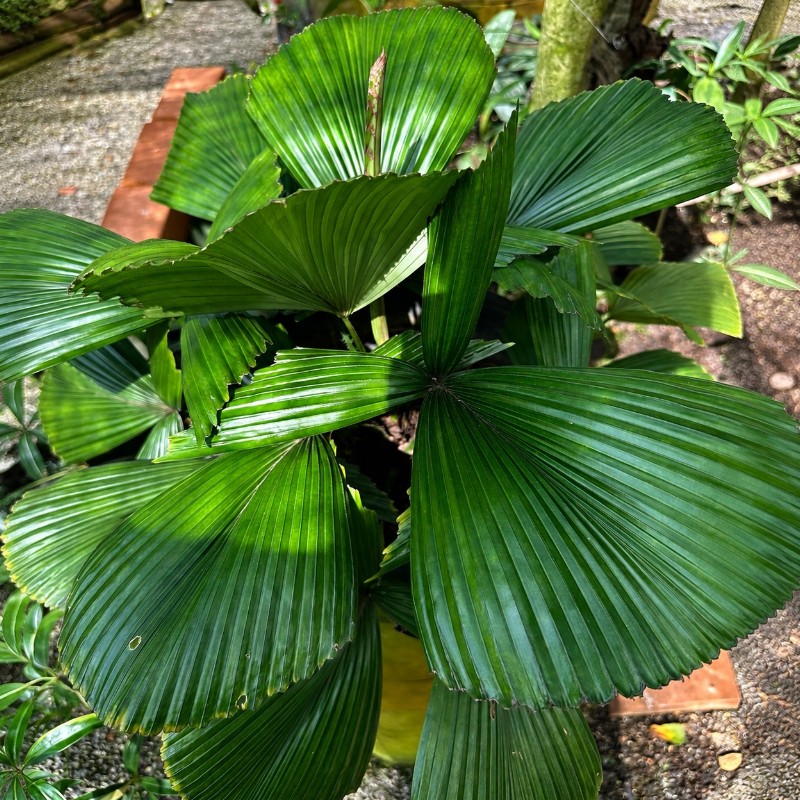
5. Licuala candinii
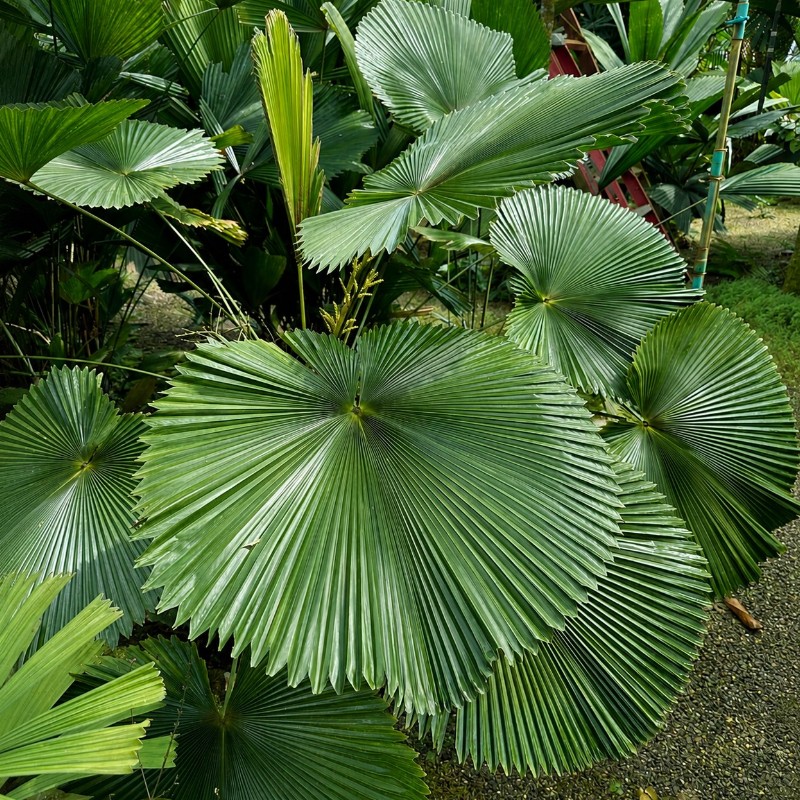
6. Licuala cordata
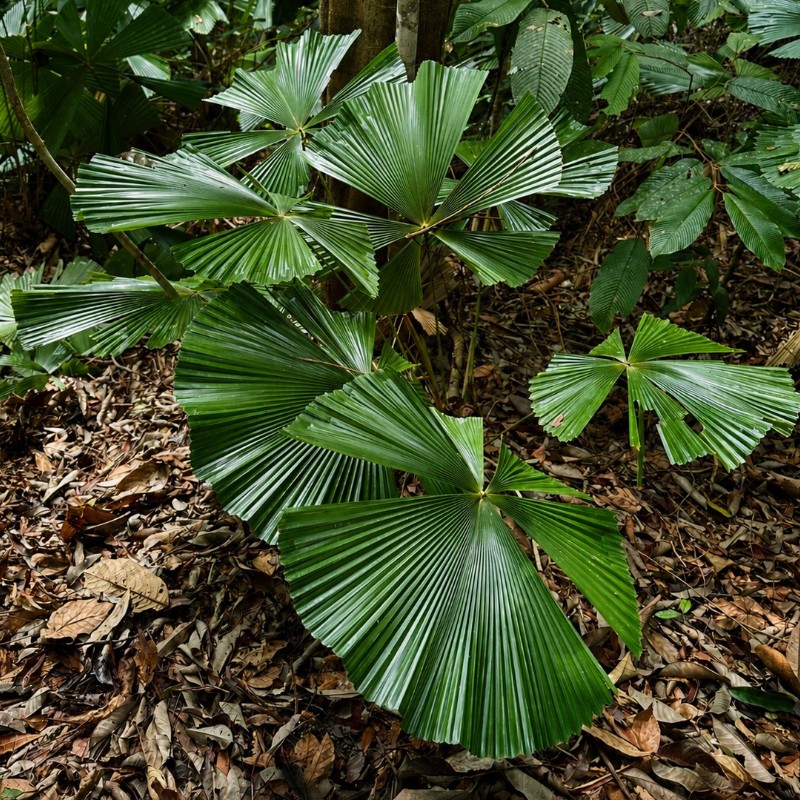
7. Licuala cordata butterfly leaf
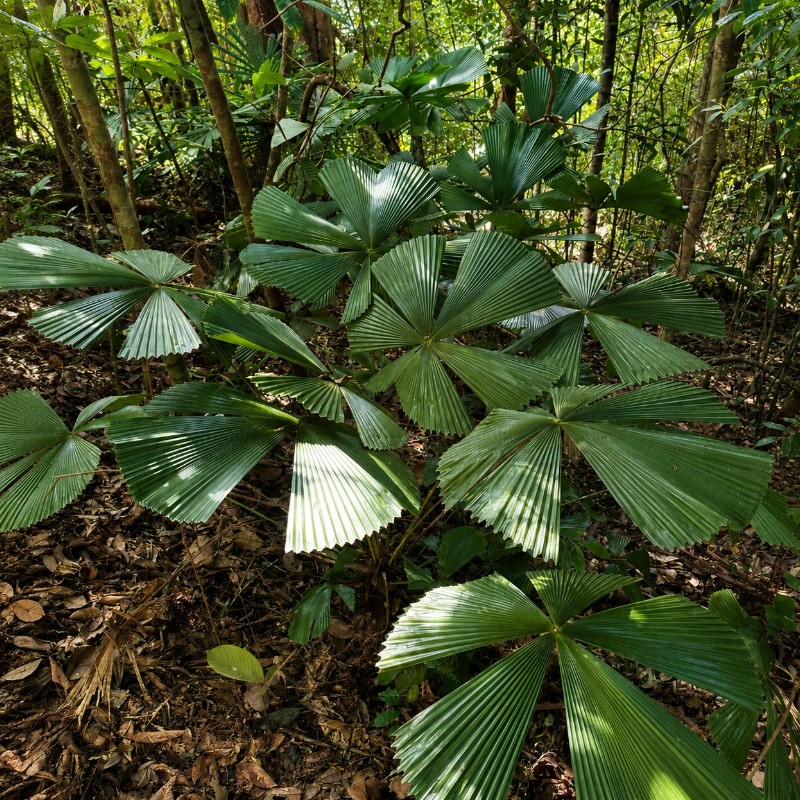
8. Licuala cordata split leaf
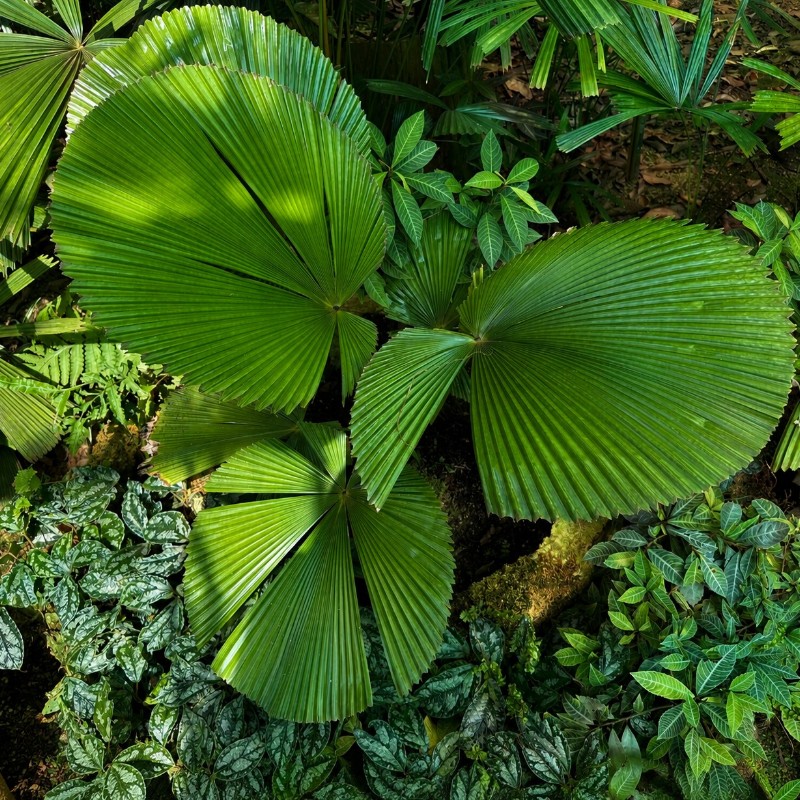
9. Licuala cordata window leaf
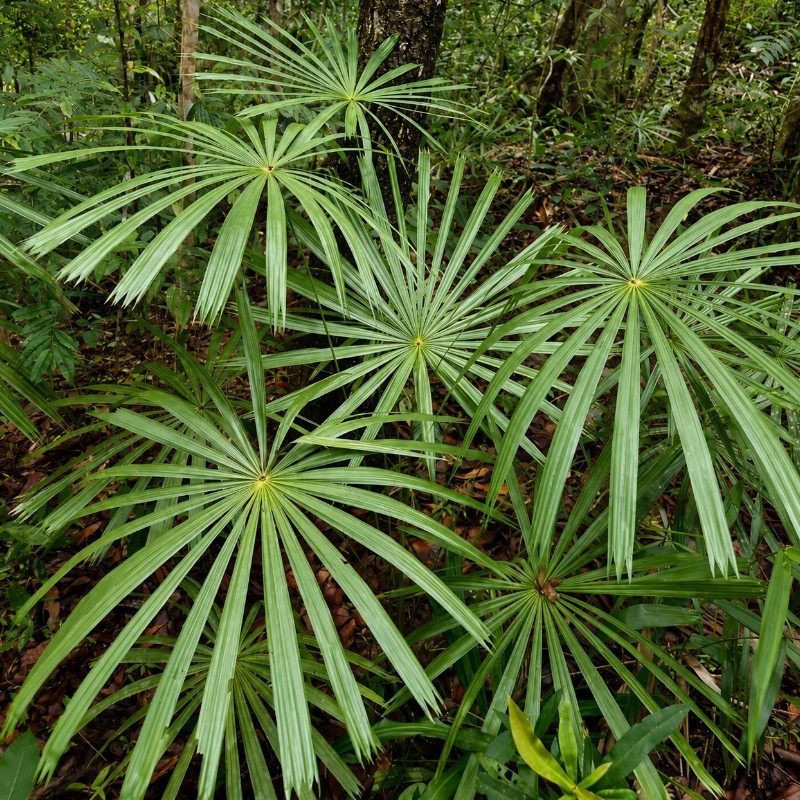
10. Licuala distans
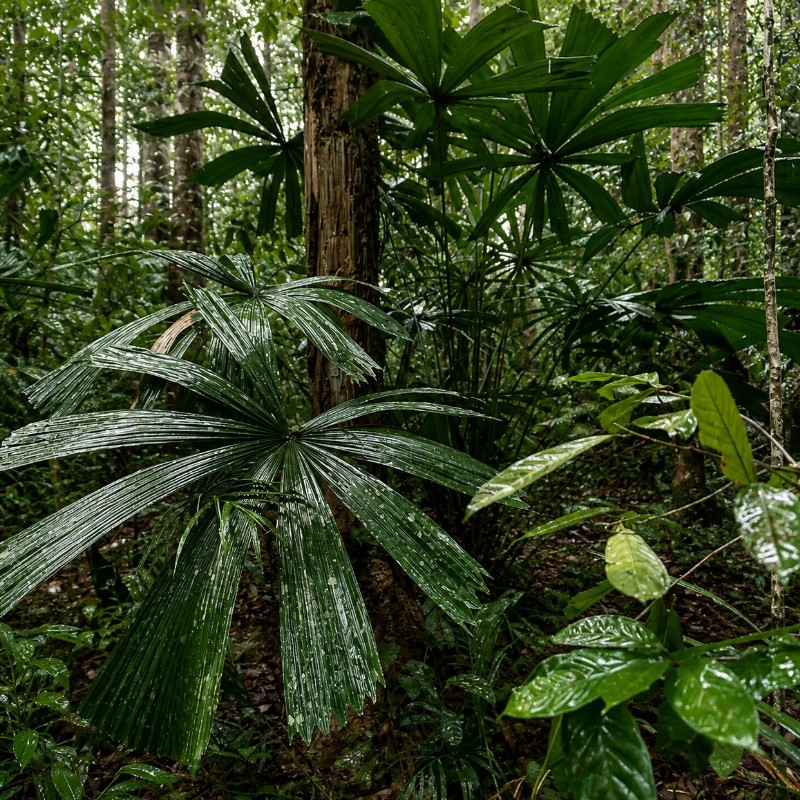
11. Licuala ferruginea
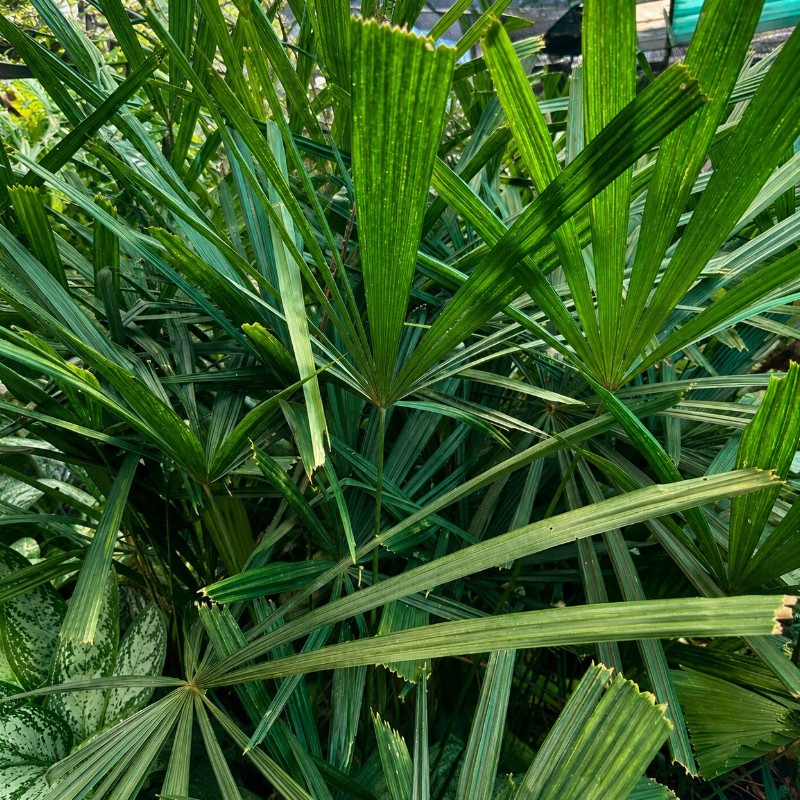
12. Licuala fordiana China
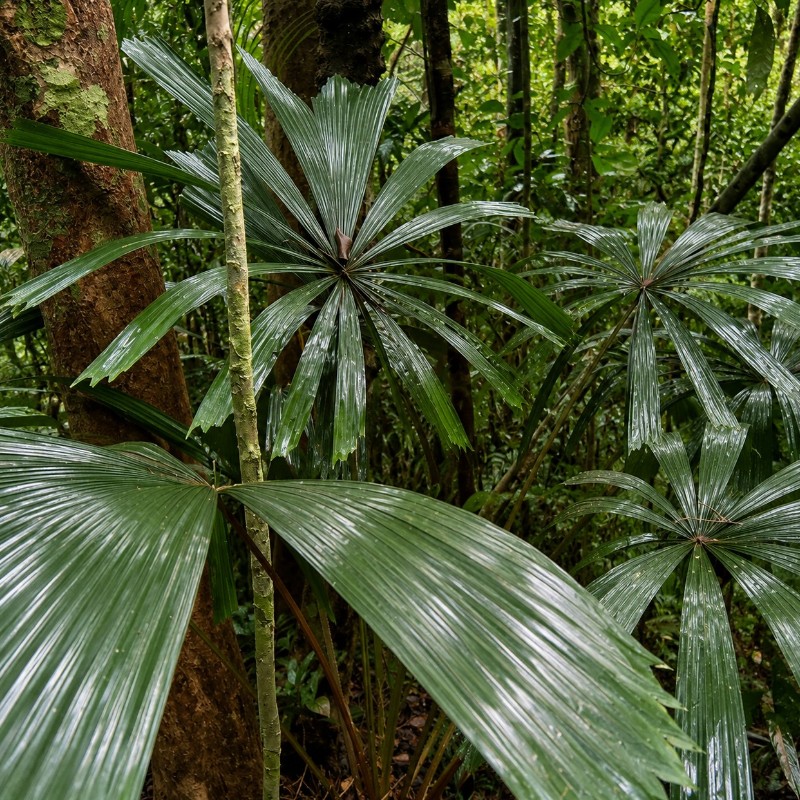
13. Licuala fractiflexa
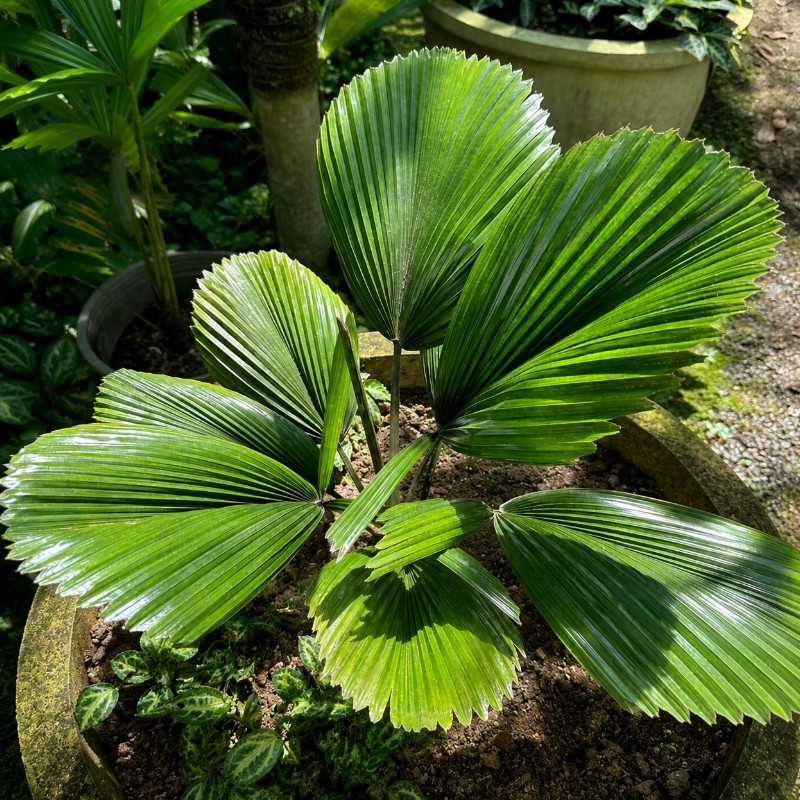
14. Licuala fractiflexa round leaf
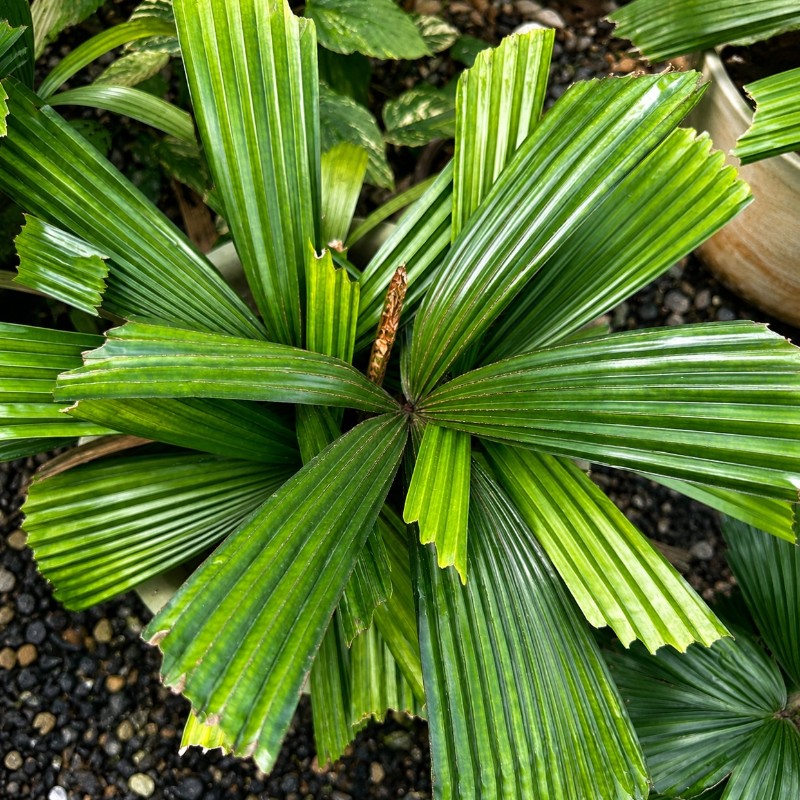
15. Licuala fractiflexa small leaf
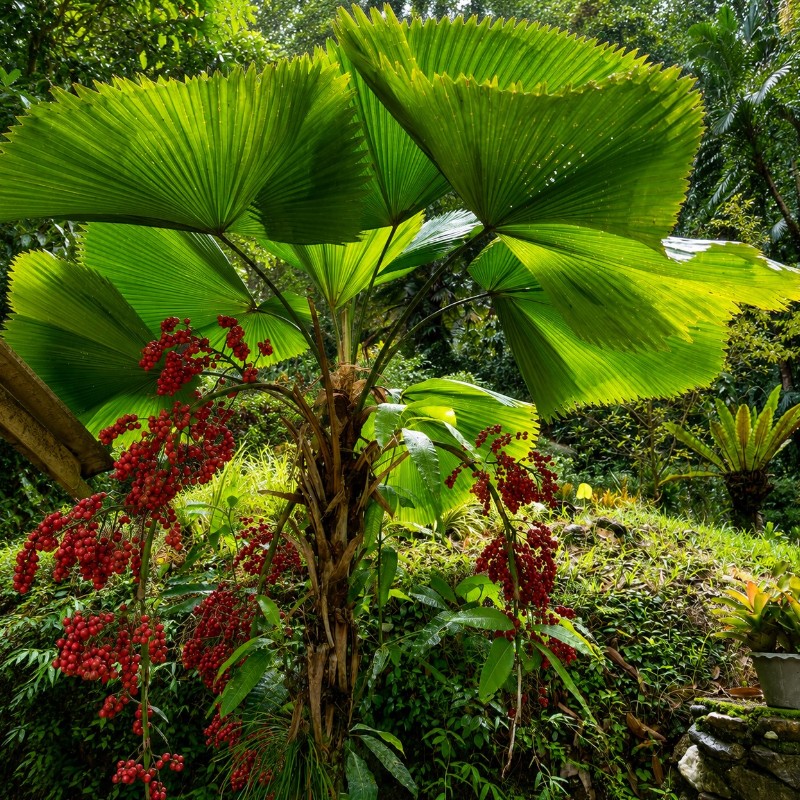
16. Licuala grandis
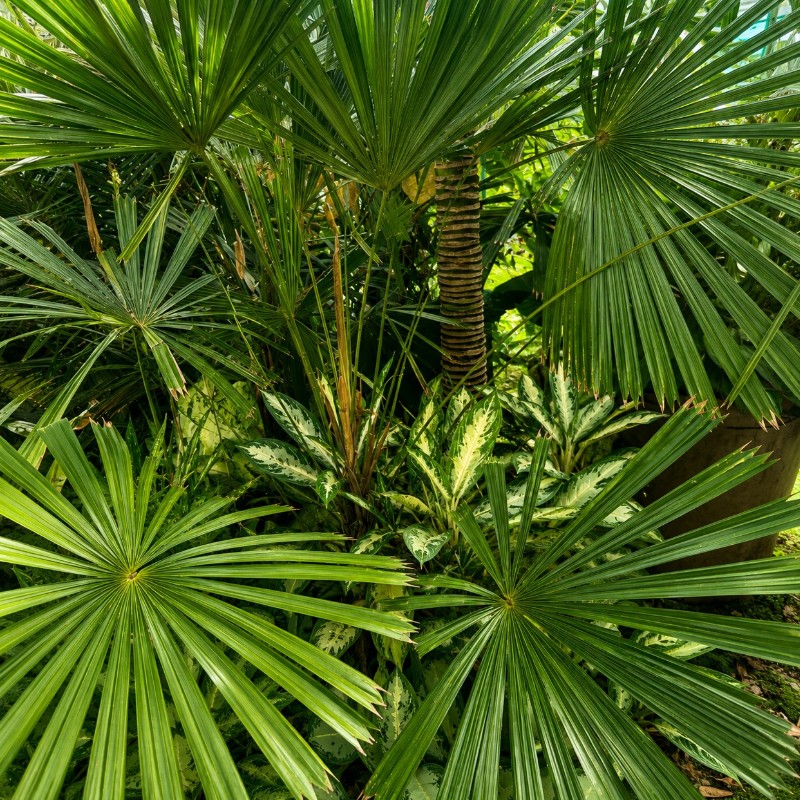
17. Licuala hainanensis China
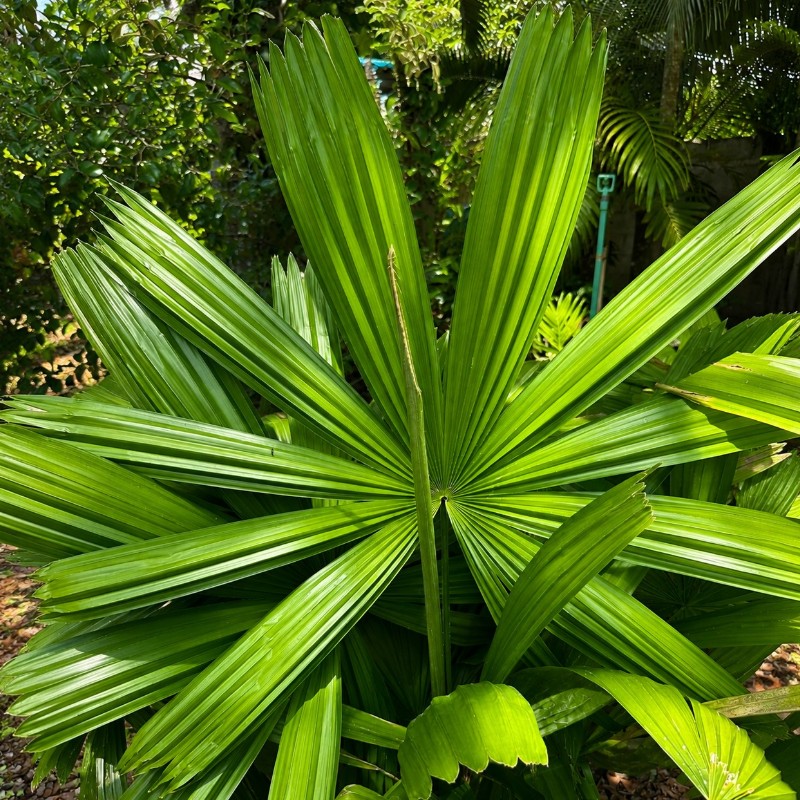
18. Licuala itaya Brazil
19. Licuala kalimantanensis
20. Licuala kalimantanensis mottled
21. Licuala kalimantanensis new form
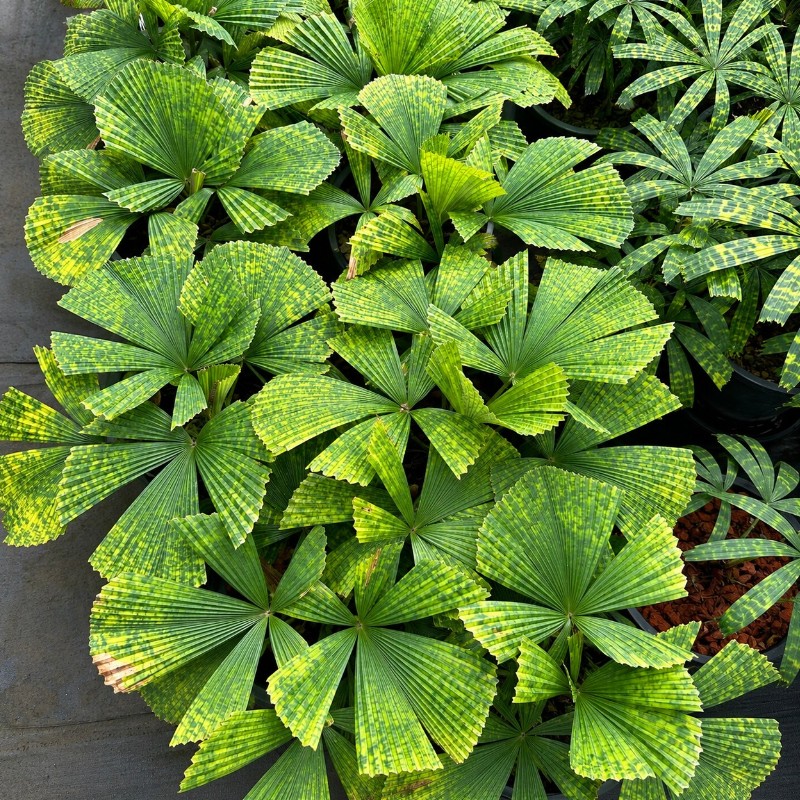
22. Licuala kalimantanensis variegata
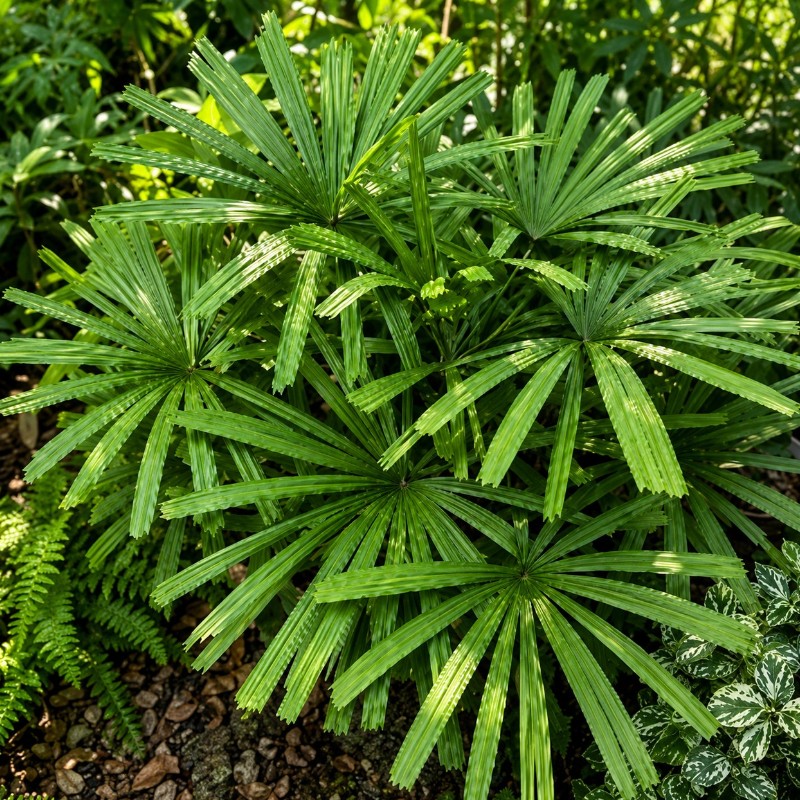
23. Licuala kemanensis
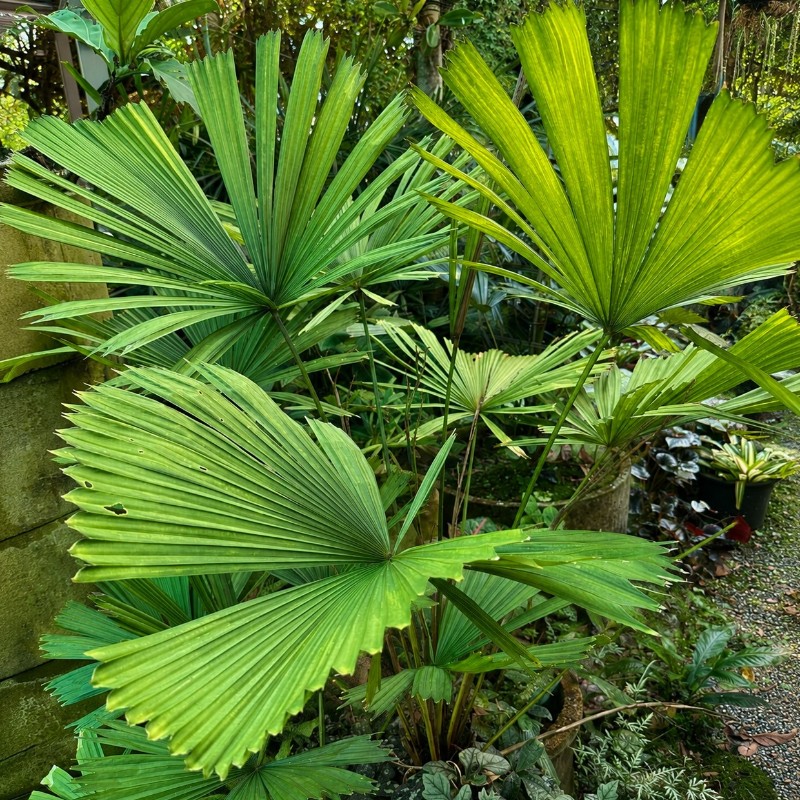
24. Licuala kingiana
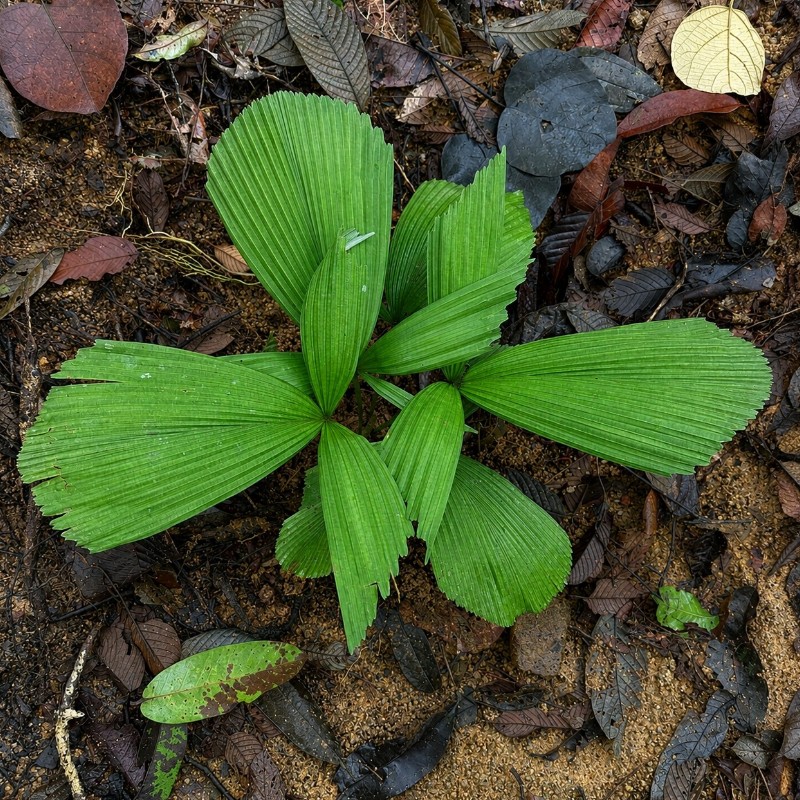
25. Licuala khoonmengii
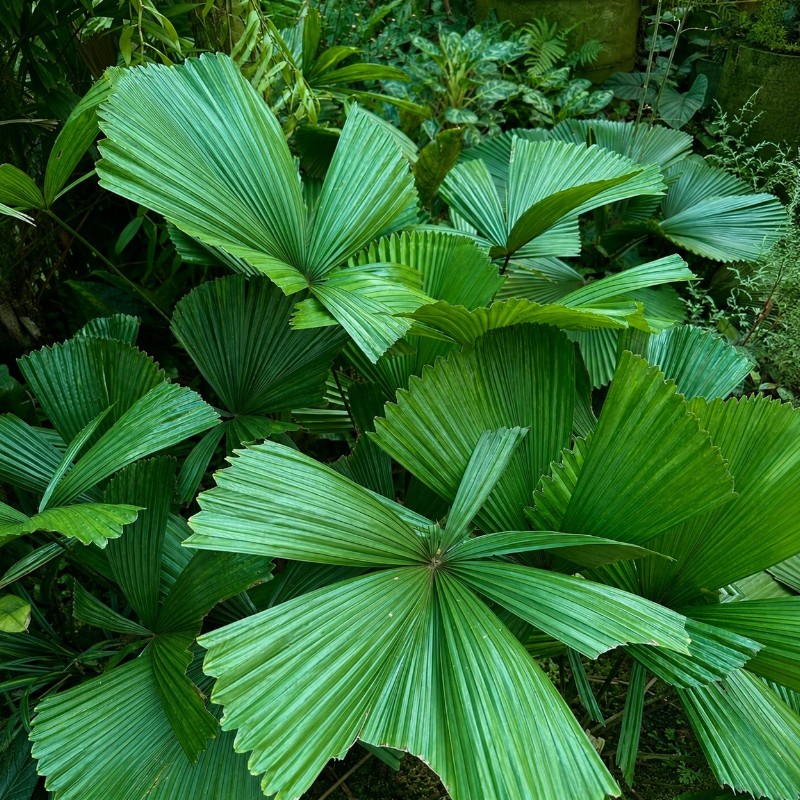
26. Licuala kuchingensis
27. Licuala kunstlerii
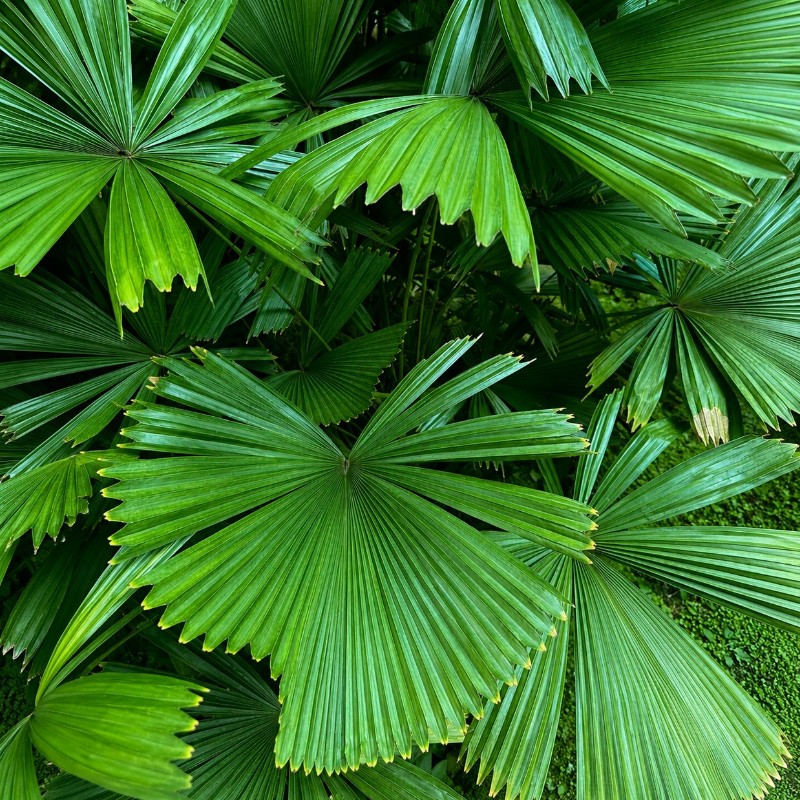
28. Licuala kunstleri var. pakajamensis
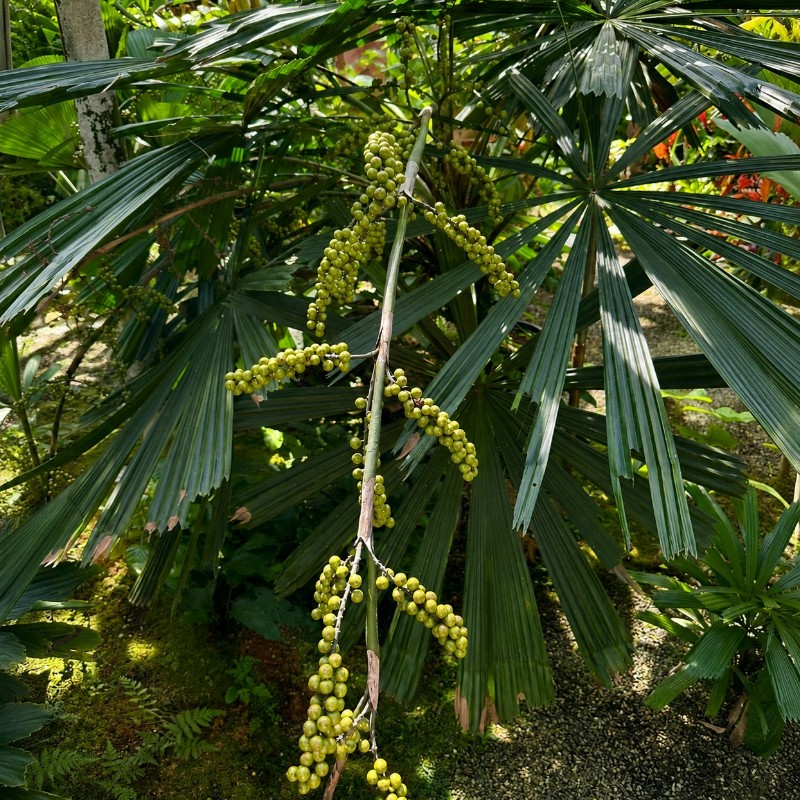
29. Licuala lauterbachii adult
30. Licuala lauterbachii var. lauterbachii
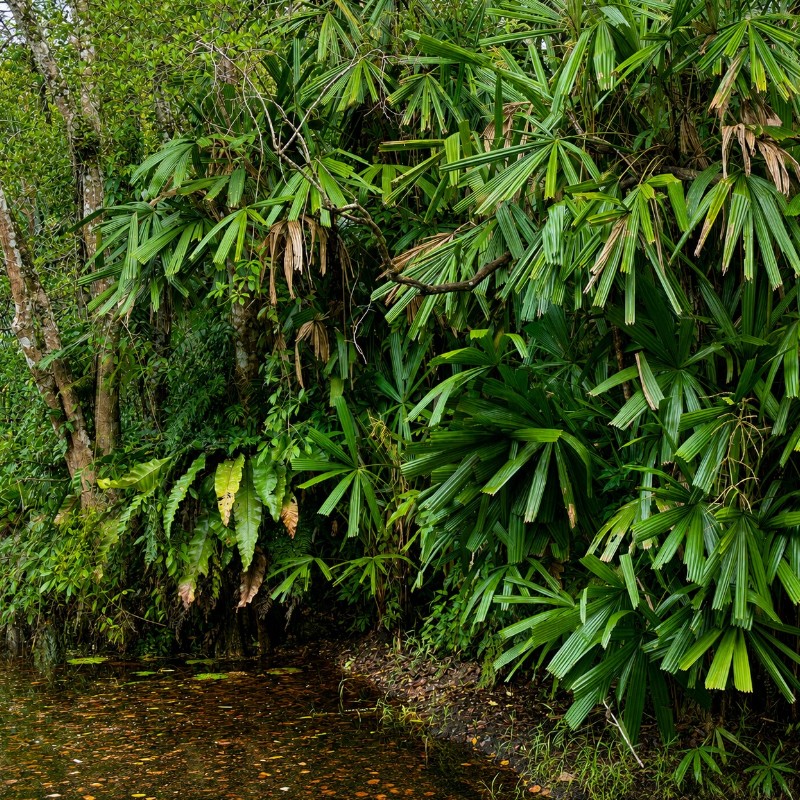
31. Licuala longeculata Furtado
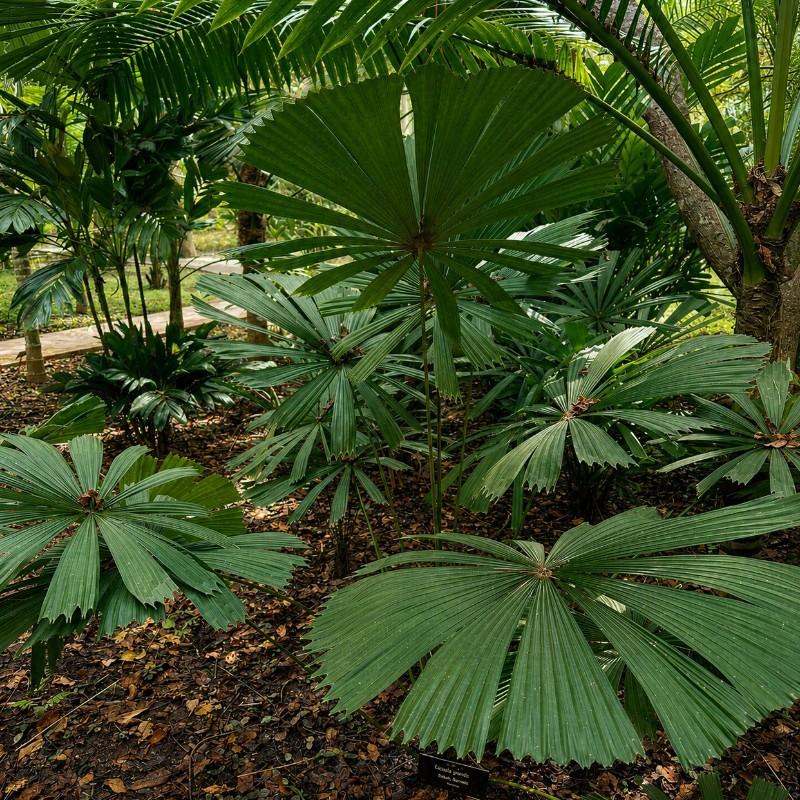
32. Licuala maculata
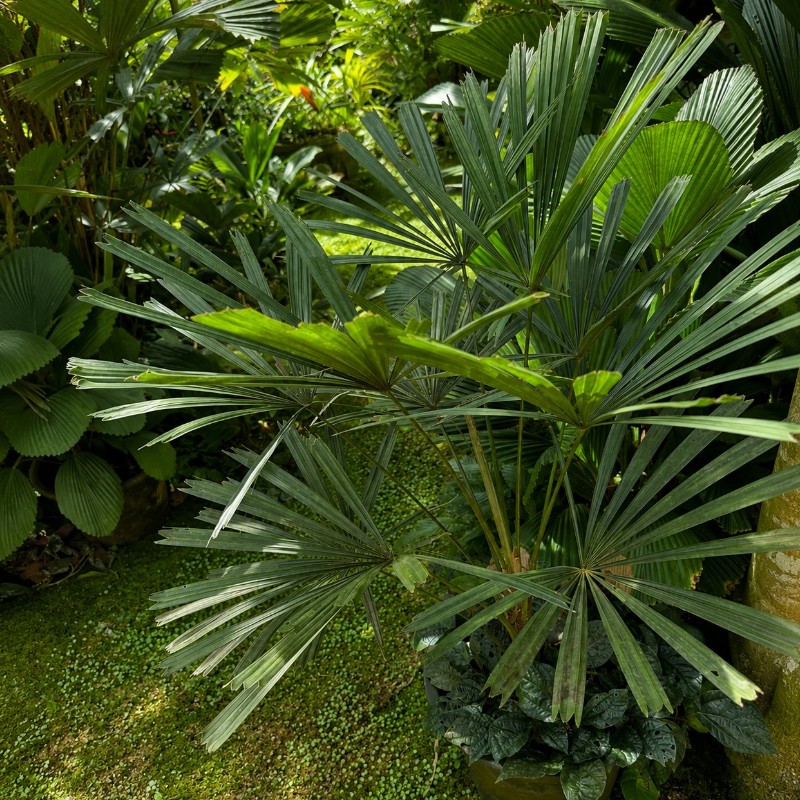
33. Licuala malajana
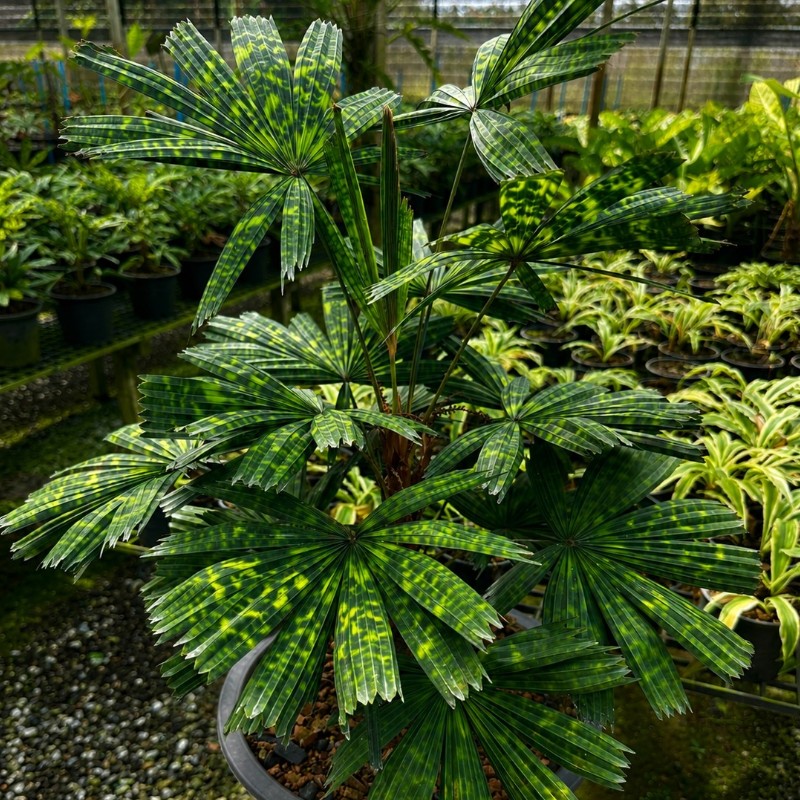
34. Licuala mapu
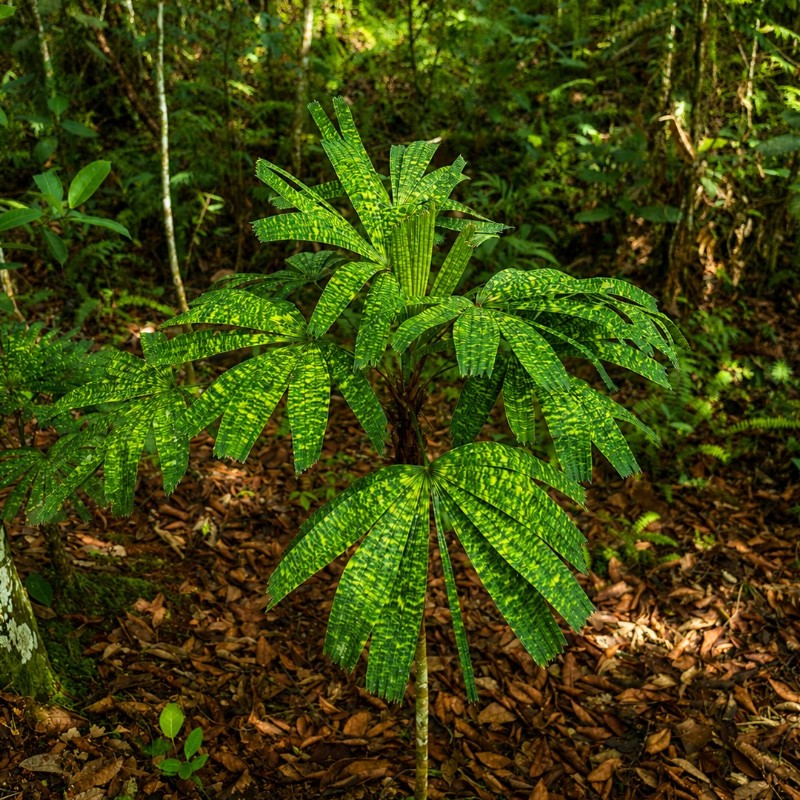
35. Licuala mattanensis
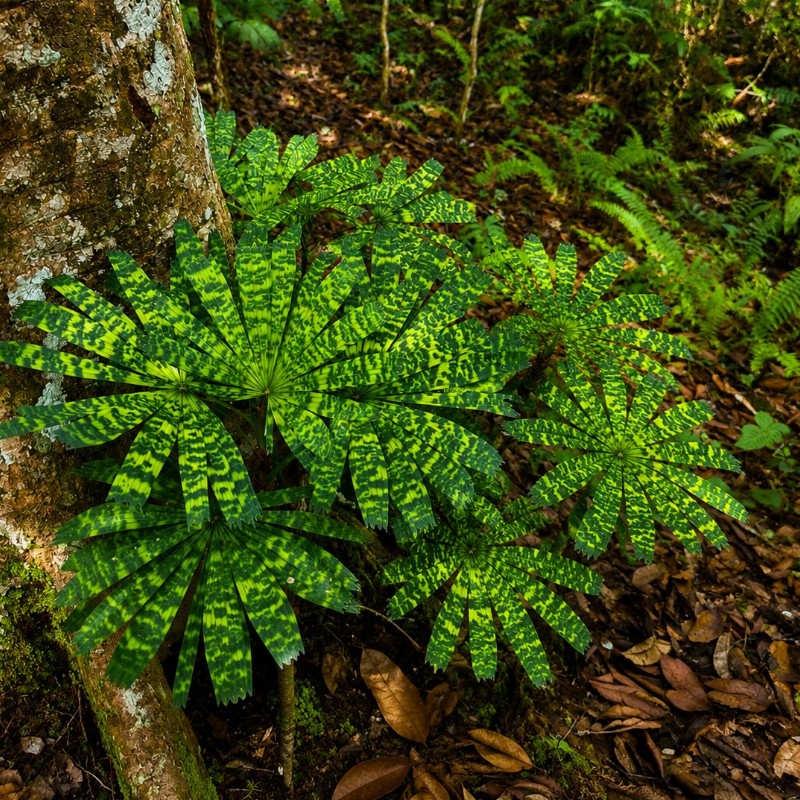
36. Licuala mattanensis mapu
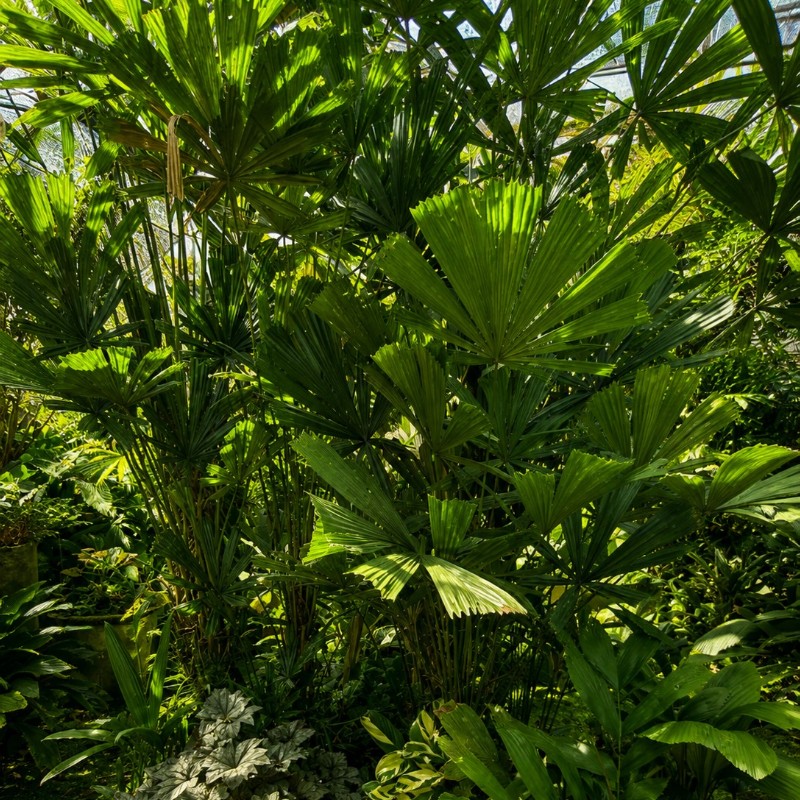
37. Licuala merguensis
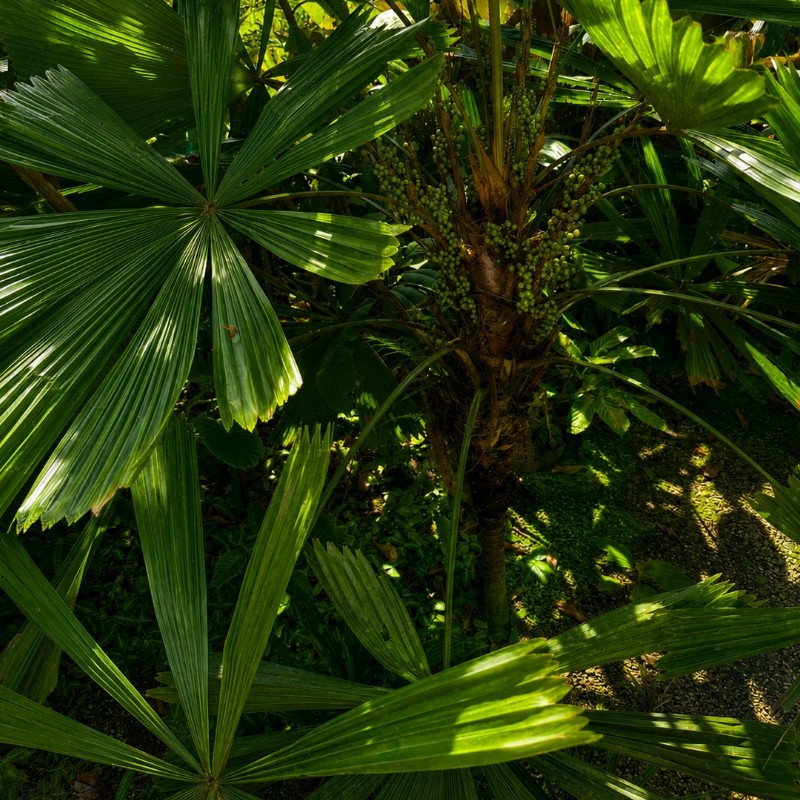
38. Licuala naumannii
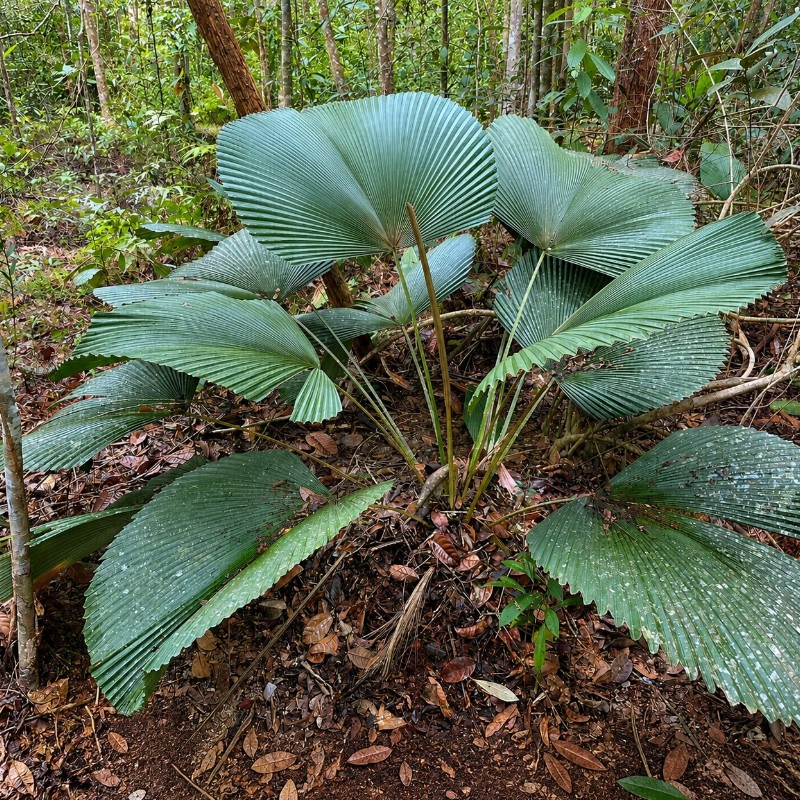
39. Licuala orbicularis
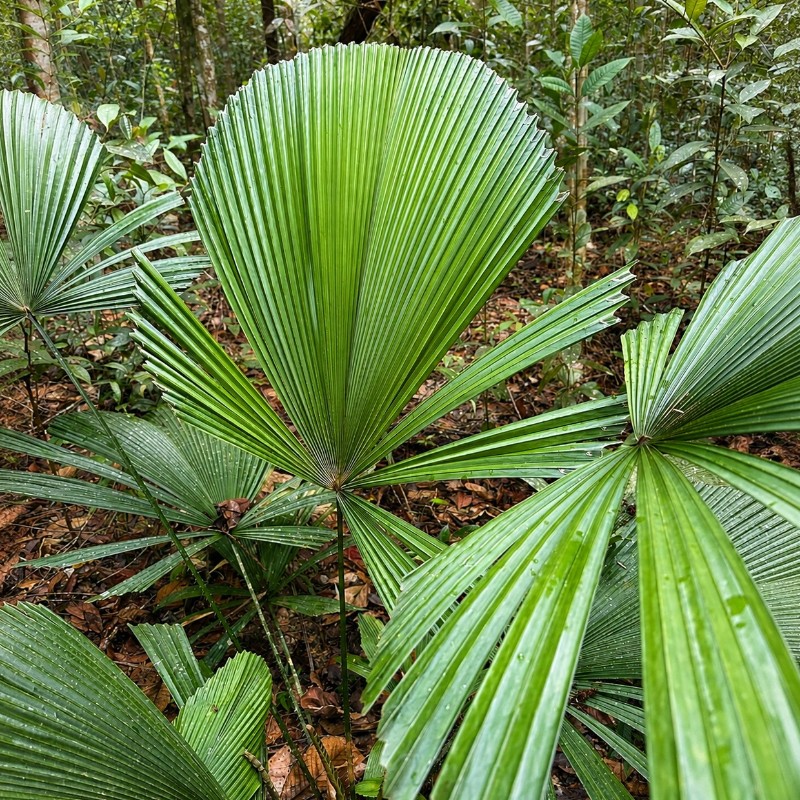
40. Licuala orbicularis split leaf
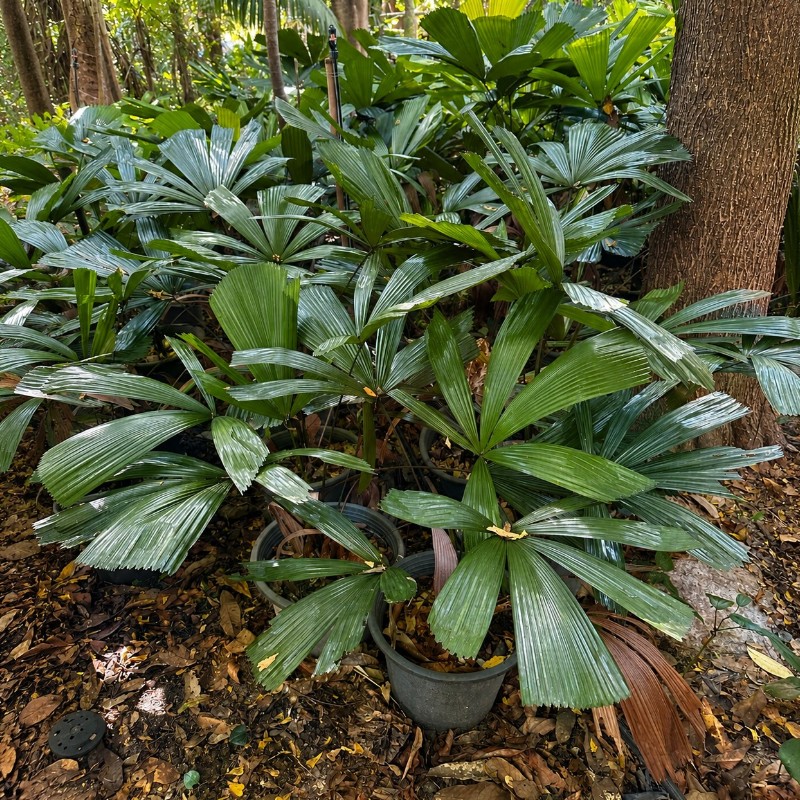
41. Licuala peltata
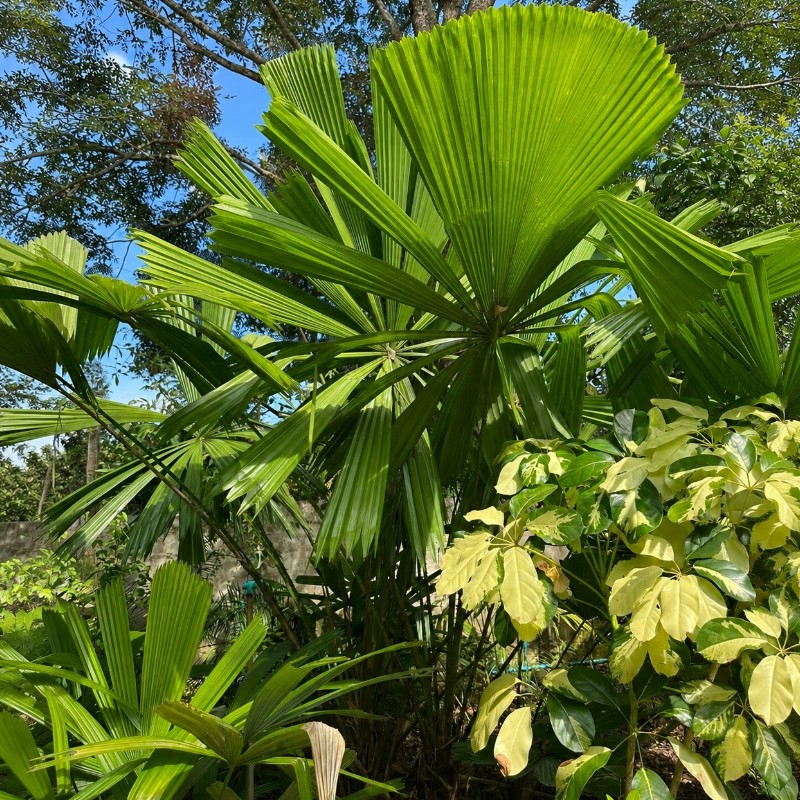
42. Licuala peltata var. peltata
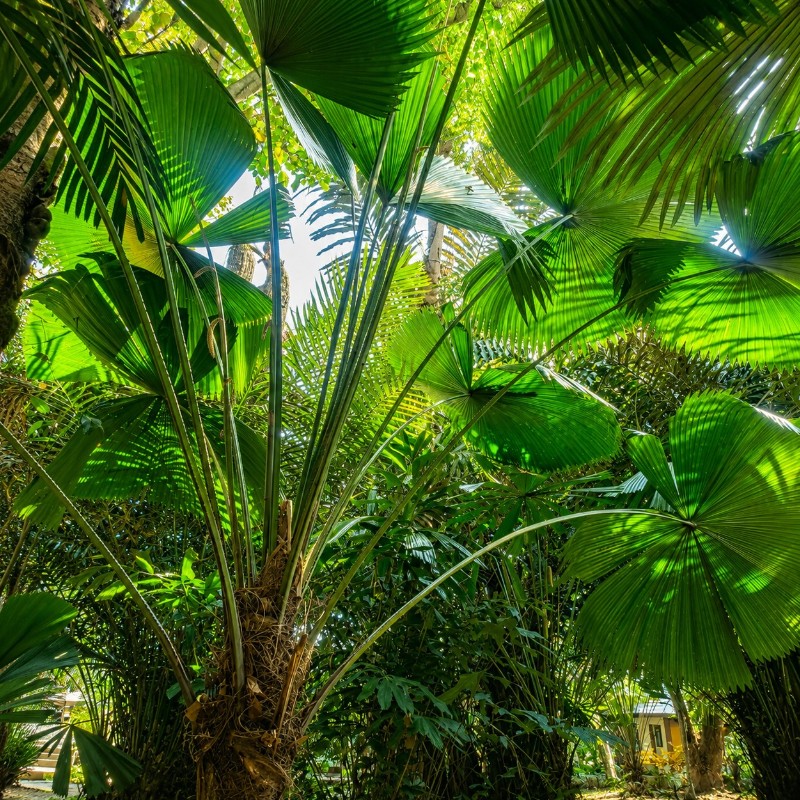
43. Licuala peltata var. sumawonghii
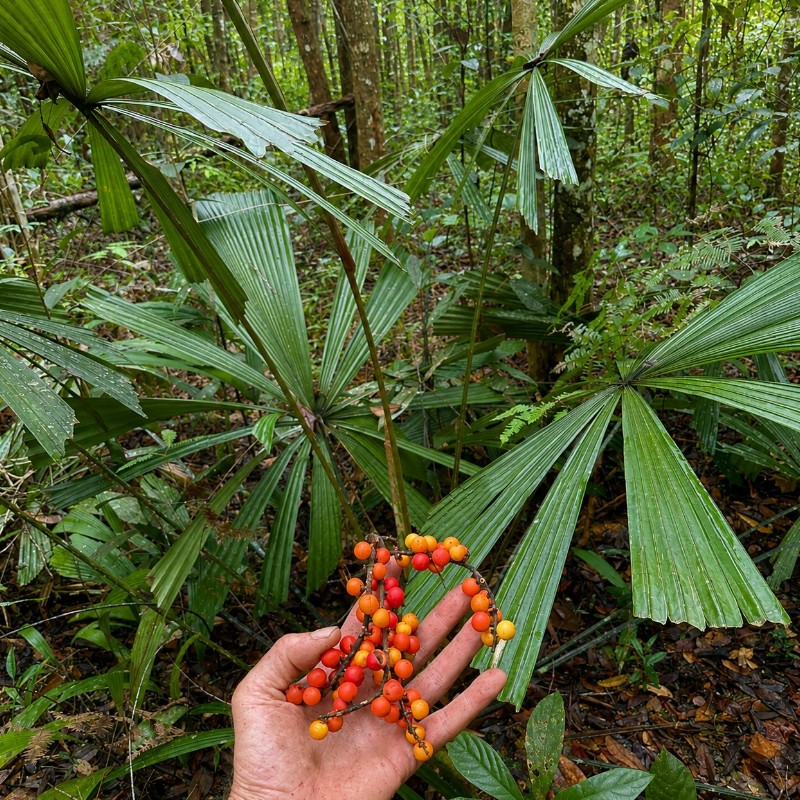
44. Licuala petiolulata
45. Licuala poonsakii
46. Licuala poonsakii 5-leaf
47. Licuala poonsakii Entire leaf
48. Licuala pusilla
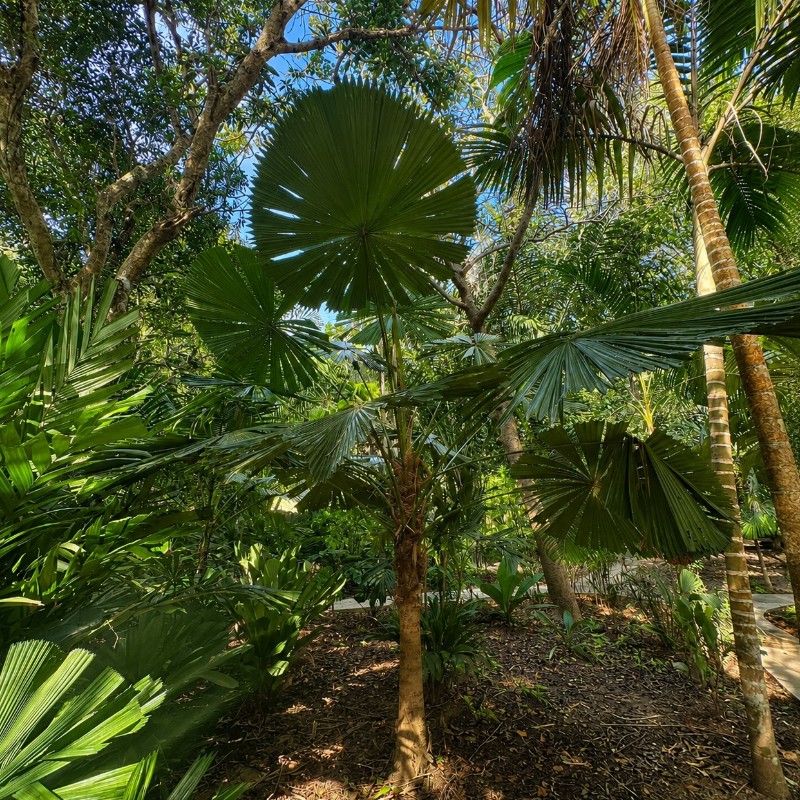
49. Licuala ramsayi
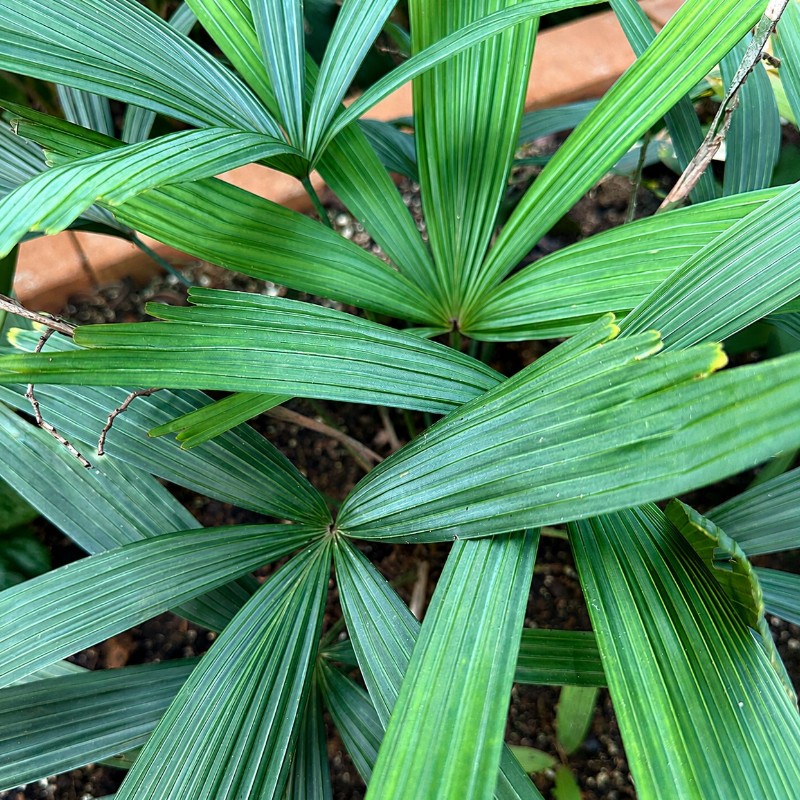
50. Licuala rheophytica
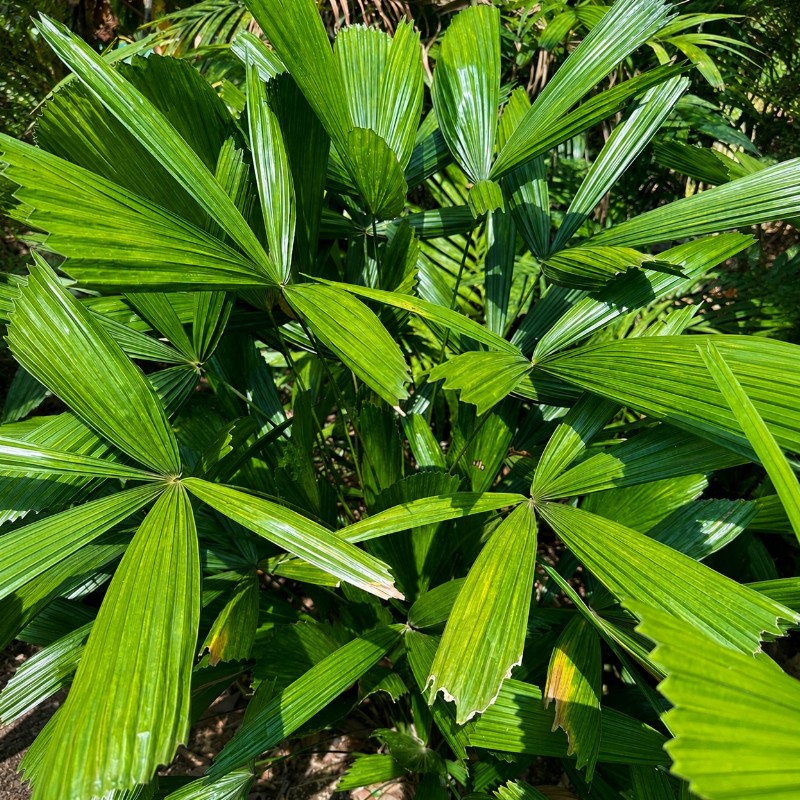
51. Licuala ridleyana
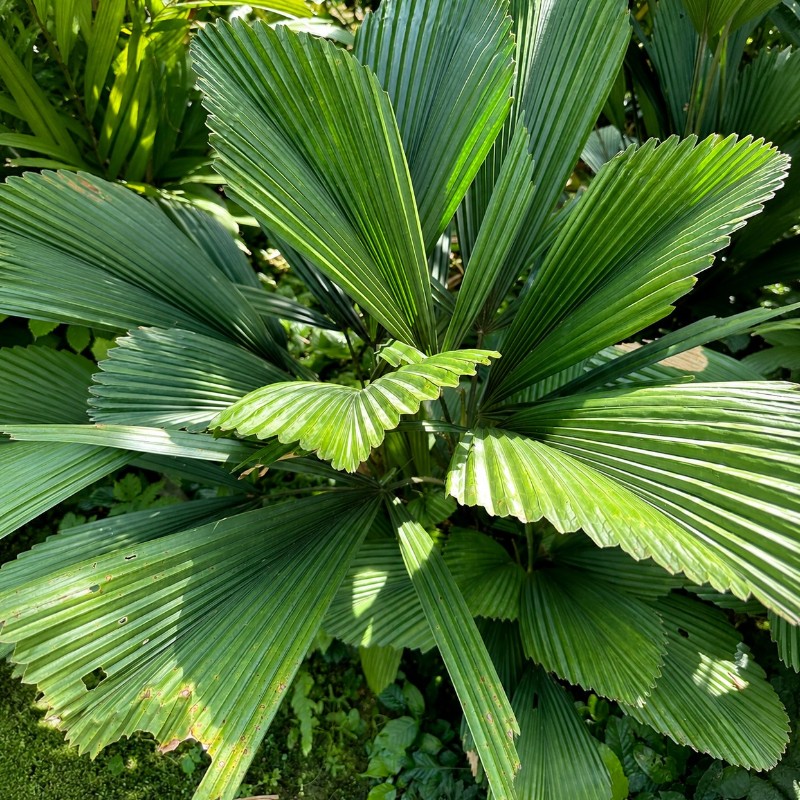
52. Licuala sallehana
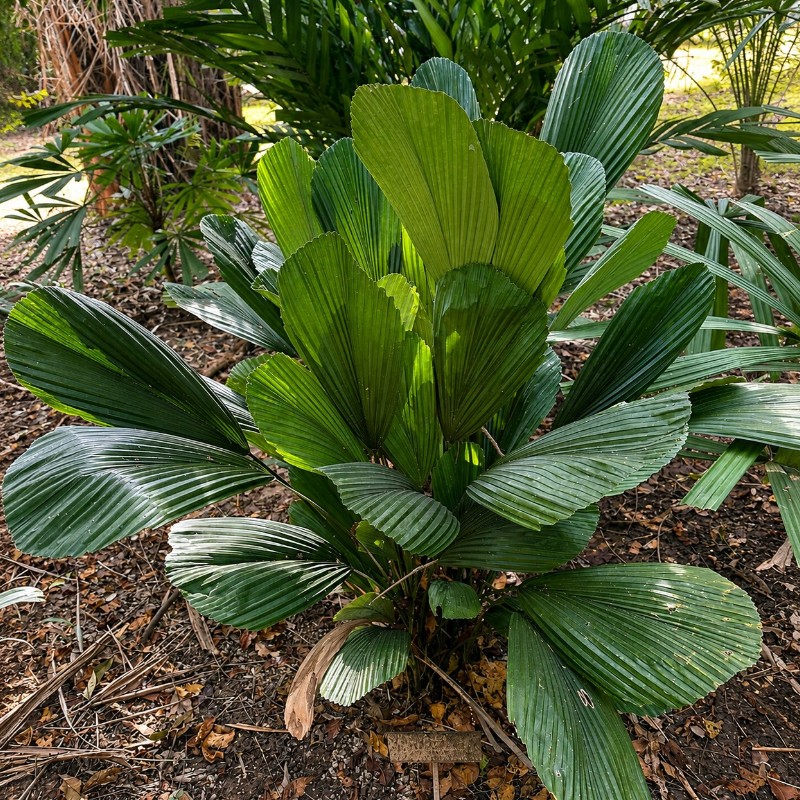
53. Licuala sallehana incisifolia
54. Licuala sp. Myanmar
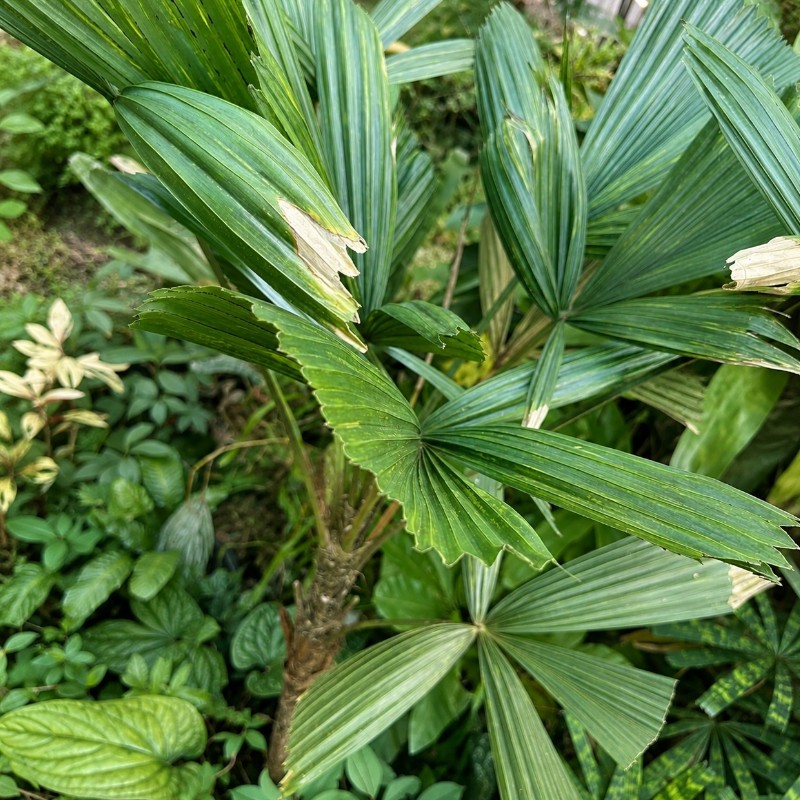
55. Licuala sp. Timika Bronze

56. Licuala tenuissima

57. Licuala terrenguensis
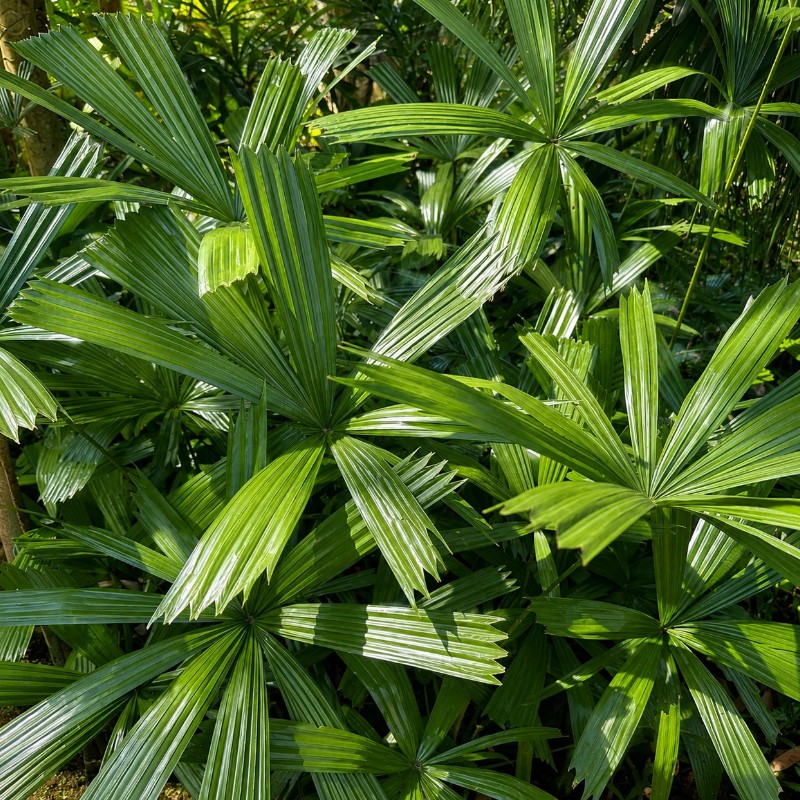
58. Licuala thaiphylla
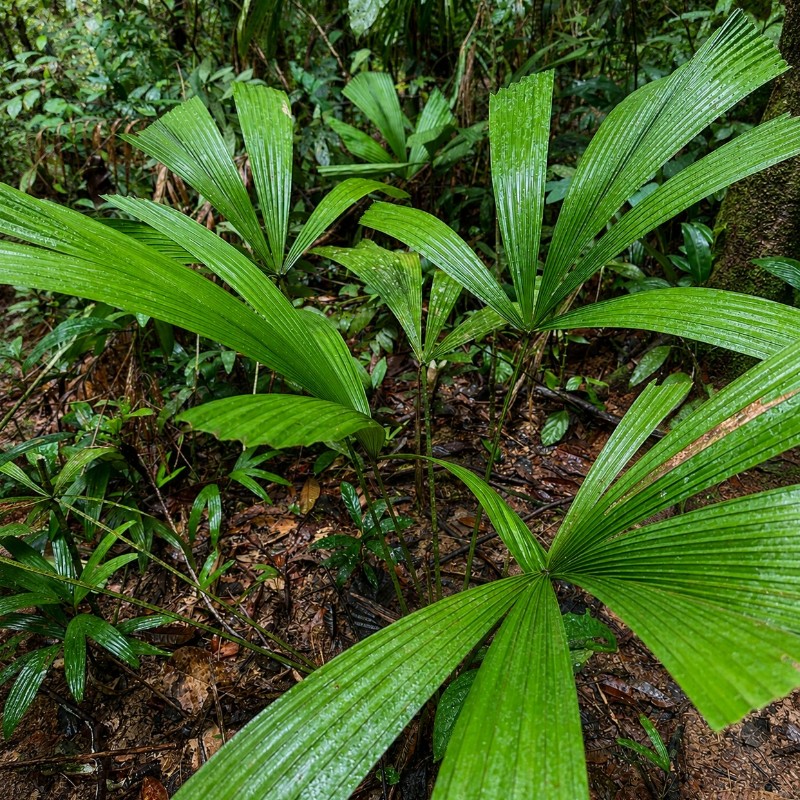
59. Licuala thoana
60. Licuala triphylla
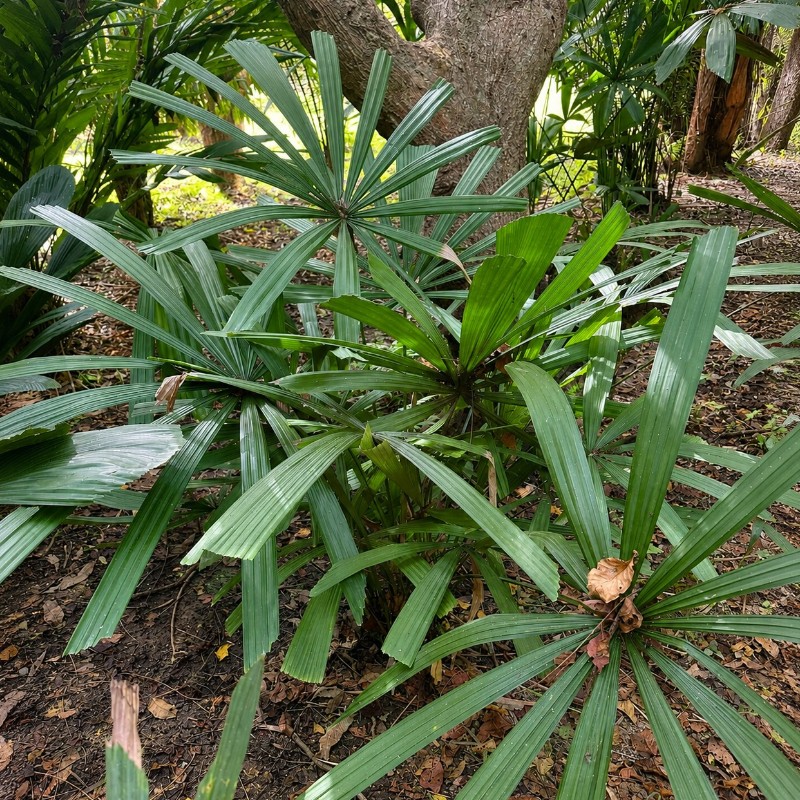
61. Licuala triphylla var. stenophylla
62. Licuala tropical
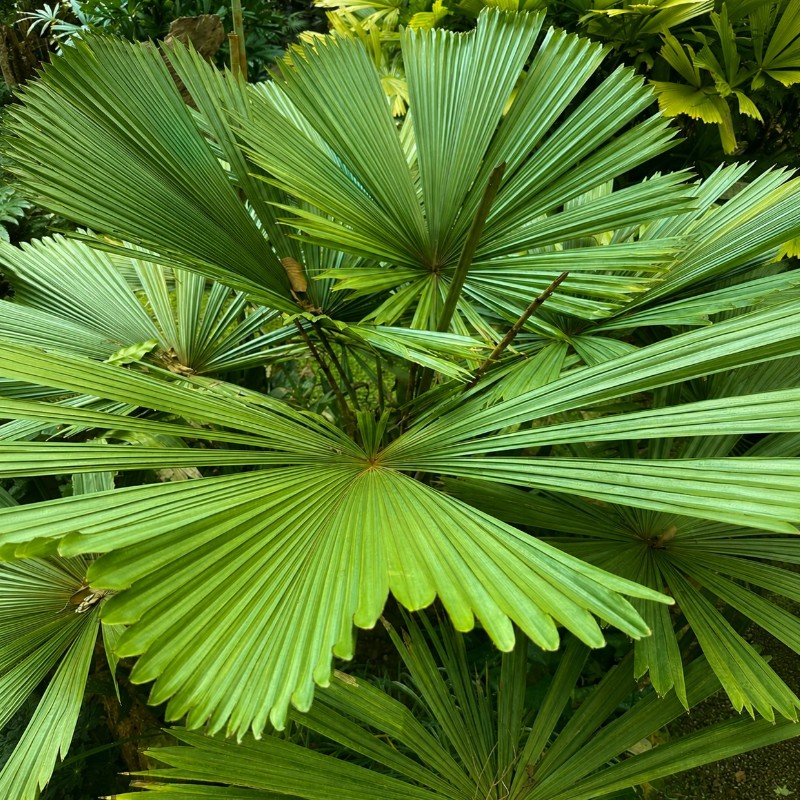
63. Licuala valida
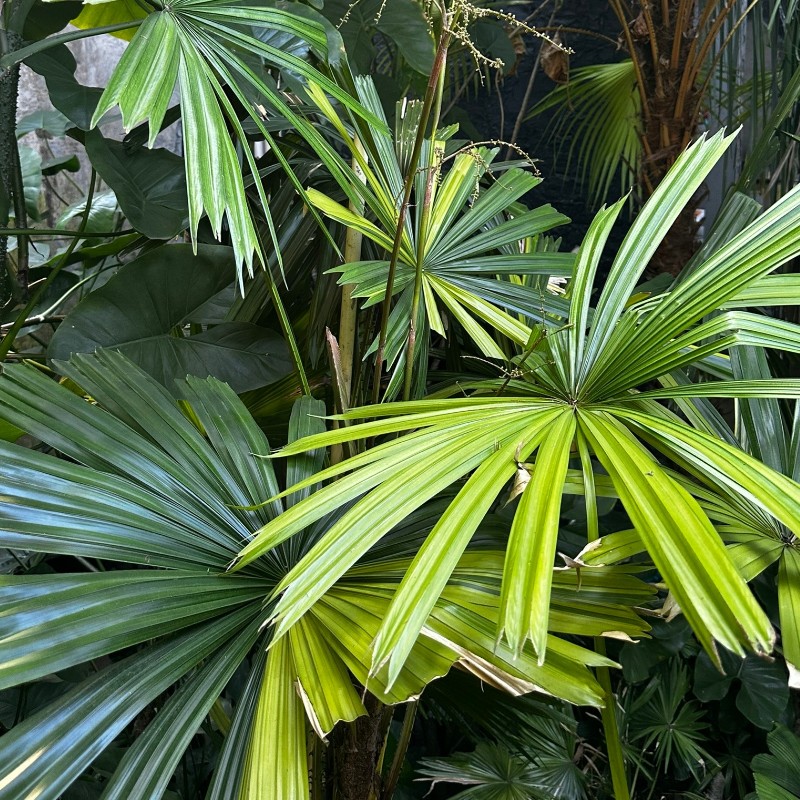
64. Licuala variegata
Why view mature specimens?
Many Licuala species are cultivated as young plants for years before they fully develop their defining characteristics. At a young age, different species can often look very similar, while their differences become much more apparent over time. Leaf size, leaf shape and overall growth habit in particular can change considerably as a plant matures.
By viewing mature specimens, you gain a more realistic impression of how a species will ultimately develop. This makes it easier to compare different species and choose one that suits your preferences and available space.
Differences between species
Although all species belong to the same genus, the differences between them can be significant. Some species develop almost circular leaves, while others are recognised by deeply divided leaf segments, narrow leaf strips or distinctive leaf structures. Final height, growth rate and trunk development also vary considerably from species to species.
This diversity makes Licuala a fascinating genus for enthusiasts of tropical plants. Within a single genus, both compact species and larger specimens can be found, each with its own distinctive appearance.
Origin of Licuala palms
Most Licuala species grow naturally in humid tropical forests. They are often found beneath the canopy of larger trees, where light is filtered and humidity remains high. Depending on the species, Licuala palms occur in countries such as Malaysia, Indonesia, Thailand, the Philippines, Papua New Guinea and Australia.
Conditions vary between regions, but many species grow in warm climates with regular rainfall and relatively sheltered locations.
Choosing a Licuala
Within the genus, species can be found for a wide range of situations. Some Licuala palms remain compact for many years and are therefore suitable for smaller spaces, while others perform best in spacious conservatories, winter gardens or tropical greenhouses.
By viewing the specimens on this page, you will gain a better understanding of the eventual form and appearance of each species. See a species that interests you? Click on the photo or name to visit the corresponding product page for more information, characteristics and care information.