Exotic Plant Care
Exotic plants attract many people because of their unique leaf shapes, tropical appearance and great diversity. However, caring for these plants often raises questions. Some species grow in tropical rainforests, while others originate from drier regions or mountainous environments. As a result, there are no fixed rules that apply to every exotic plant.
This page helps you better understand the most important care factors. Rather than memorising individual rules, the goal is to understand the relationship between light, water, temperature, humidity, nutrition and growth. The better you understand these factors, the easier it becomes to recognise signals from your plant and respond to them appropriately.
The purpose of this page is not to cover every exotic plant individually. Instead, it provides a general foundation for caring for exotic plants. From here, you can continue reading about specific topics such as watering, nutrition, humidity, repotting and other aspects of plant care.
How can you tell if your plant is growing healthily?
Many plant enthusiasts focus primarily on problems such as yellow leaves, brown leaf tips or slow growth. However, it is just as important to recognise when a plant is growing well. When you know what healthy development looks like, it becomes easier to identify abnormalities at an early stage.
Healthy growth can appear in different ways. New leaves emerge regularly, existing leaves generally maintain a natural colour and the plant continues to develop during the growing season. Some species grow quickly, while others may produce only a few new leaves each year. Slow growth does not automatically mean that something is wrong.
The overall appearance of a plant can also provide valuable information. A healthy plant usually appears strong, stable and well balanced within its environment. New growth generally matches the appearance of existing leaves and develops without obvious deformities or abnormalities.
Root growth also plays an important role. Although roots are usually hidden from view, they form the foundation of almost all growth above the soil. A plant that actively develops new roots can absorb water and nutrients more efficiently and often has better conditions for healthy development.
Healthy growth does not mean that a plant constantly produces new leaves. Seasons, temperature, light intensity and species characteristics all influence growth rates. For this reason, it is often more useful to observe changes over a longer period rather than judging a plant from day to day.
What should you pay attention to?
Although every exotic plant has its own characteristics, several care factors play an important role for almost all species. These factors do not operate independently. Light, water, temperature, nutrition and other conditions continuously influence one another. Understanding these factors makes it easier to keep your plant healthy and recognise changes in time.
Light & Location
Light plays an important role in almost all processes within a plant. The amount of light influences growth, leaf development and water consumption, among other things. Some exotic plants prefer a bright location with plenty of indirect light, while others perform better in a more sheltered position.
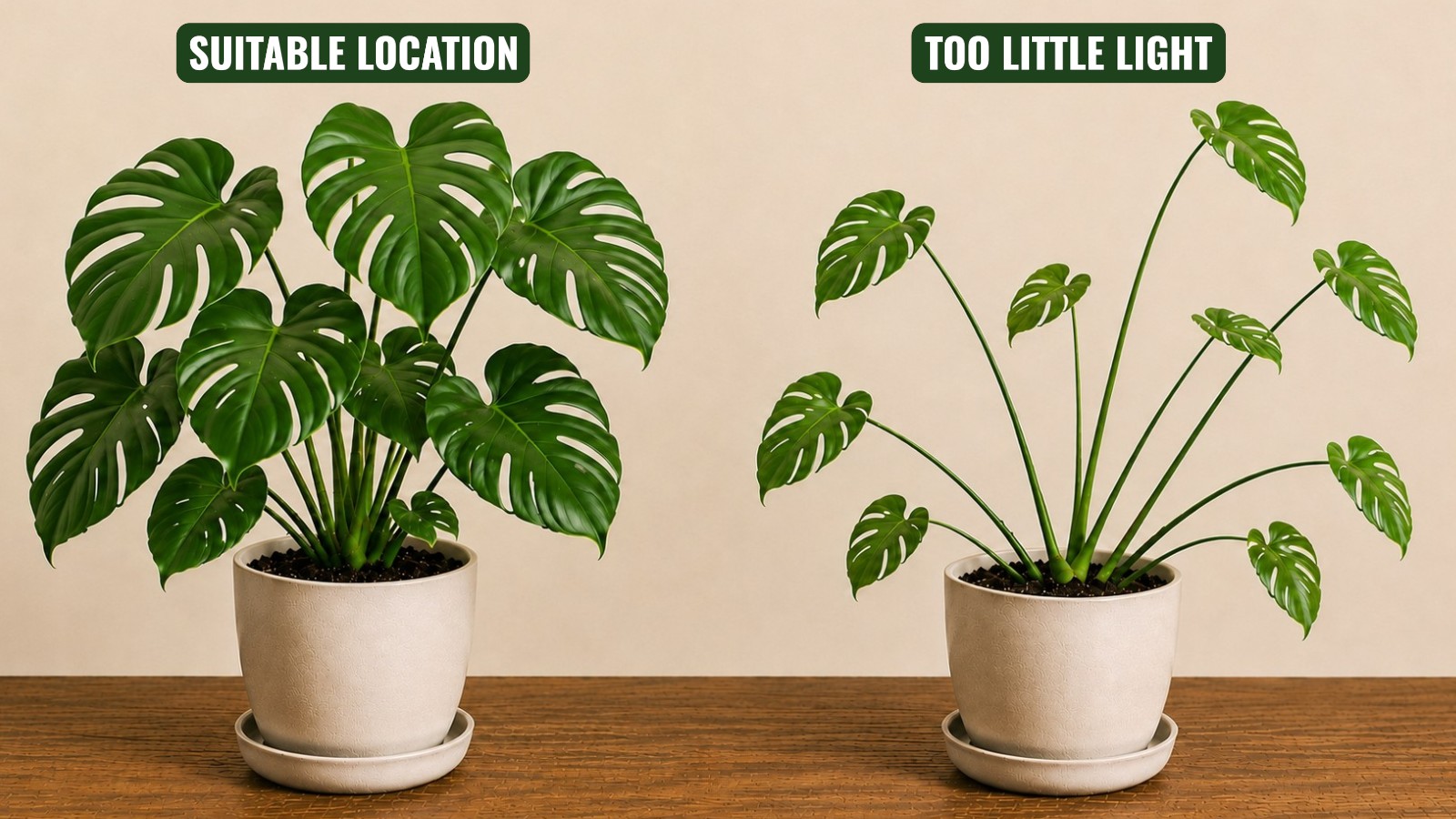
Would you like to learn more about light and location? Read more about the influence of light on growth, leaf development and choosing a suitable location. Read more →
Watering
Water is one of the most important aspects of plant care. At the same time, many problems arise because plants receive either too much or too little water. Not every plant has the same requirements, which is why it is important to consider both the conditions and the signals your plant provides.
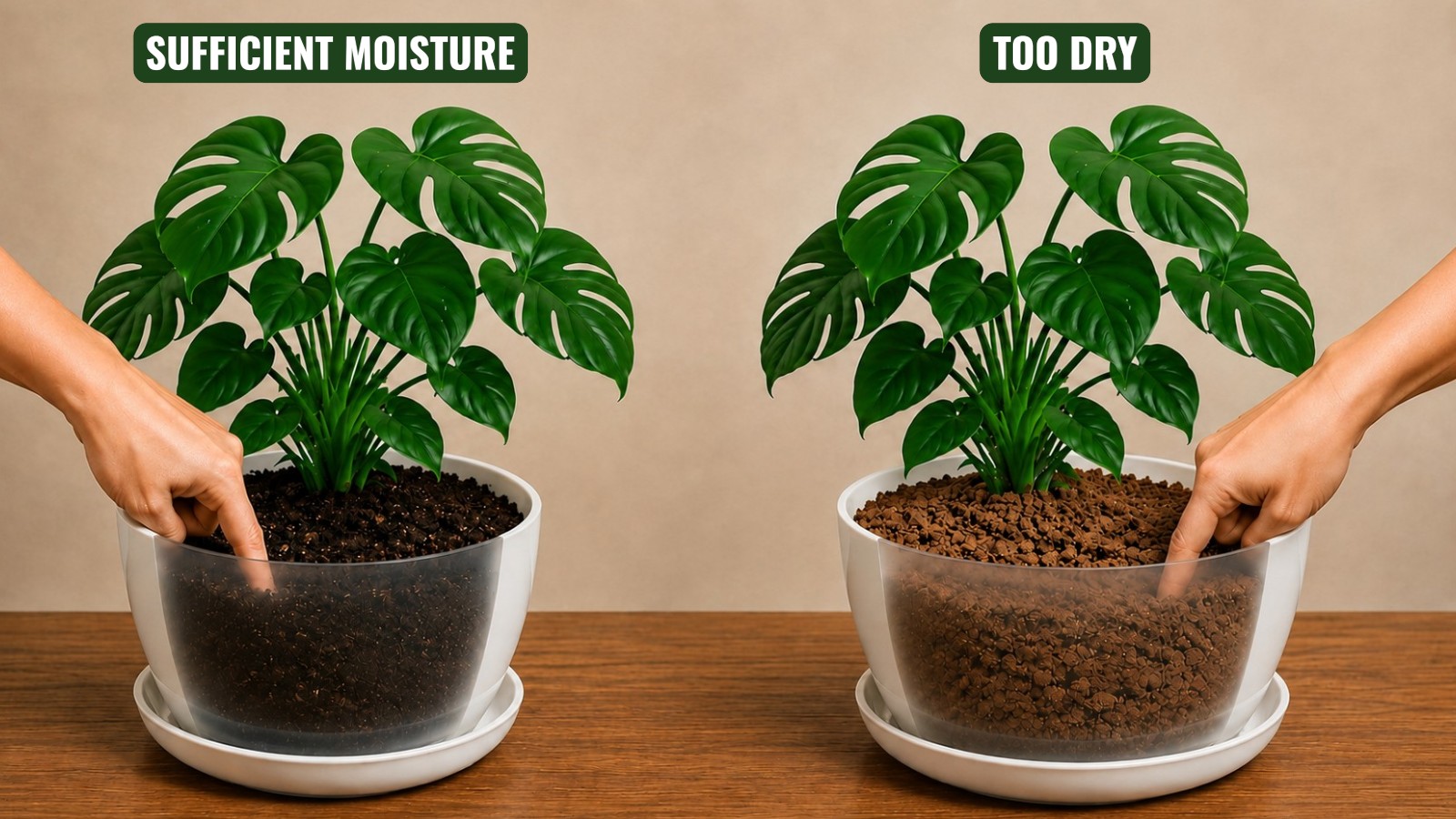
Would you like to learn more about watering? Read more about moisture control, water requirements and recognising signals that may indicate overwatering or underwatering. Read more →
Soil & Drainage
The soil in which a plant grows affects the availability of water, oxygen and nutrients around the roots. A suitable soil mix helps excess water drain away and prevents roots from remaining in wet conditions for extended periods.
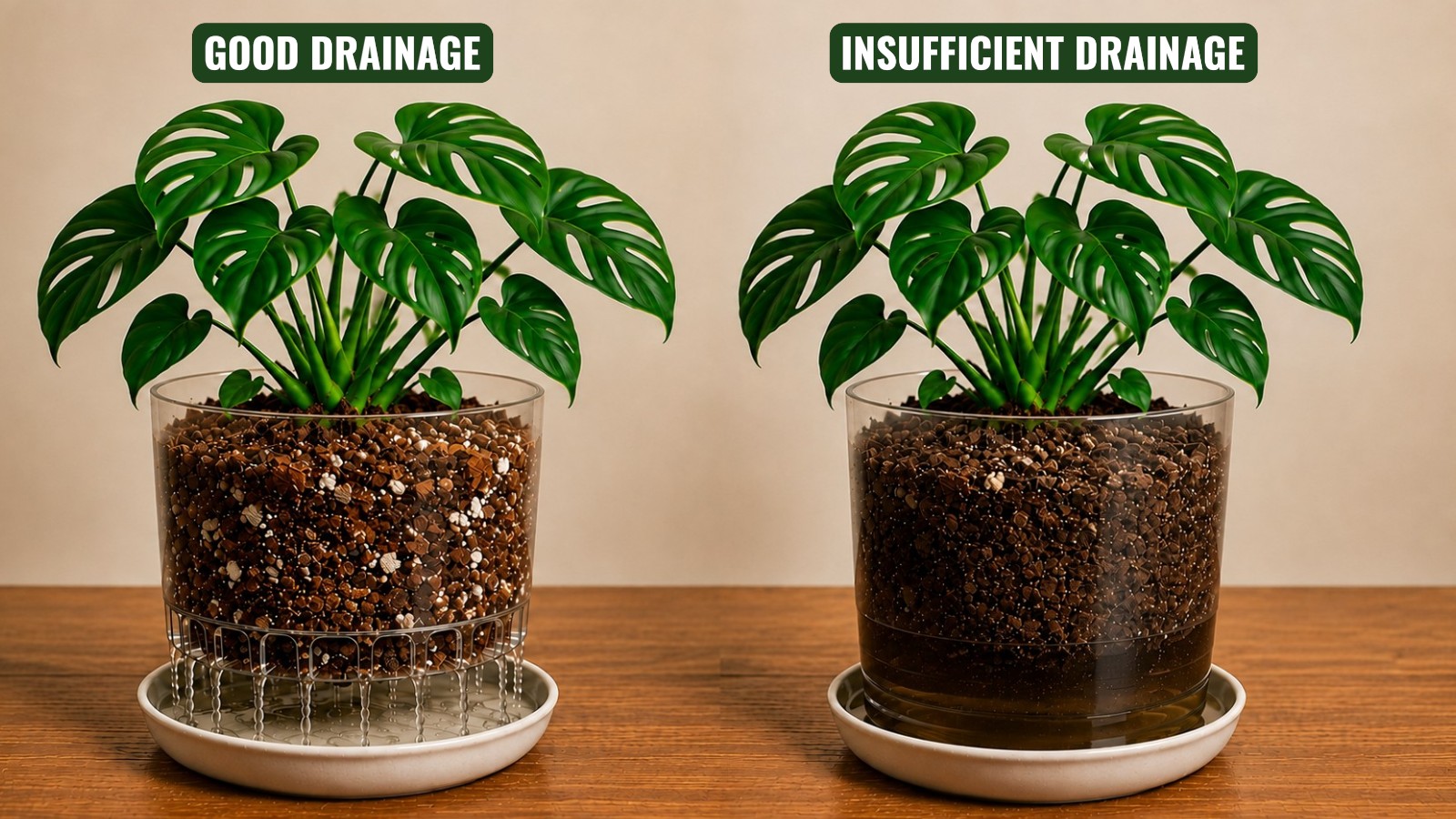
Would you like to learn more about soil and drainage? Read more about soil mixes, water drainage and the role of air around the roots. Read more →
Humidity
Many exotic plants originate from regions where humidity levels are higher than in most homes and gardens. Although exact requirements vary by species, humidity can influence leaf development and the overall growth of a plant.
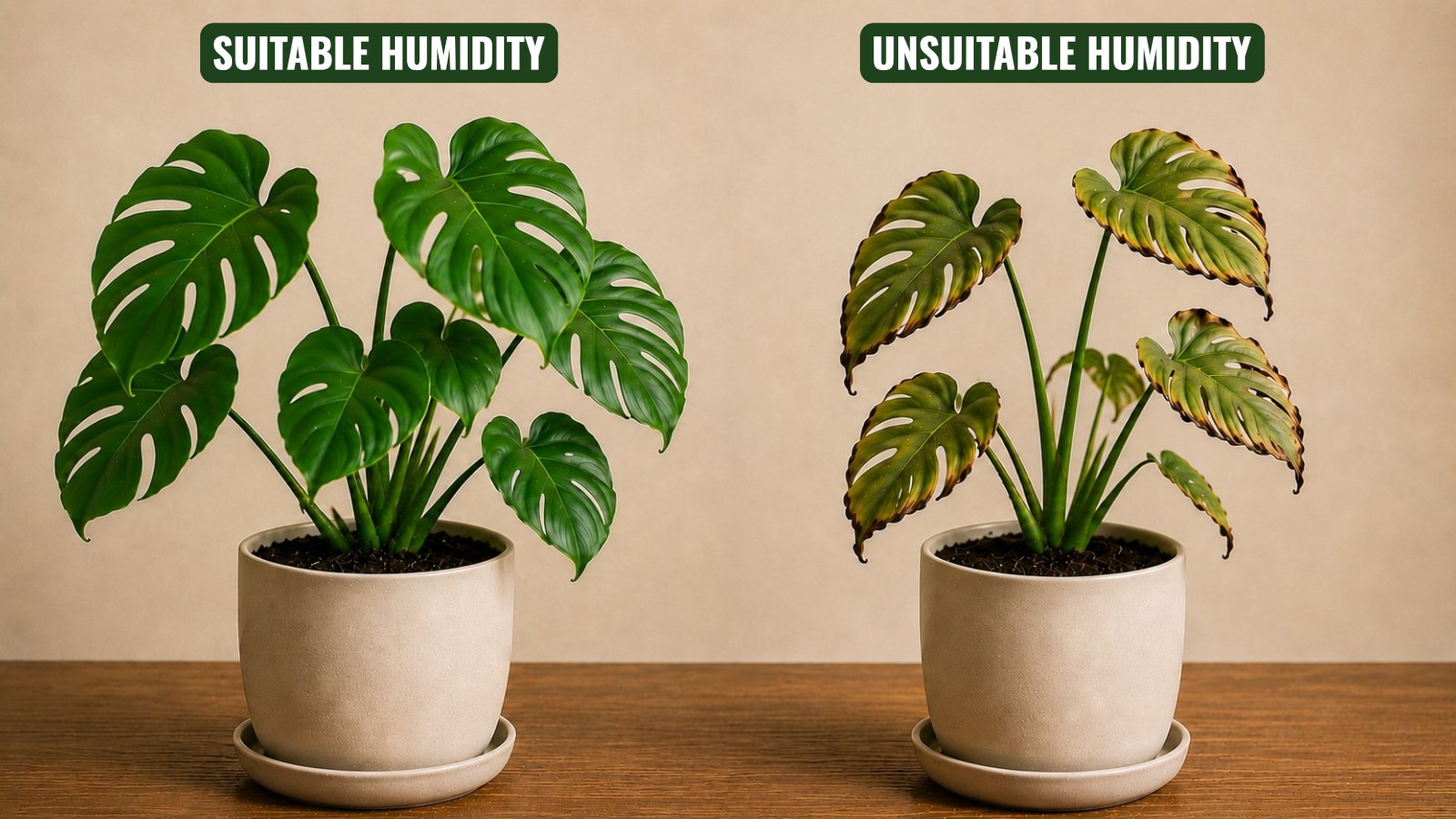
Would you like to learn more about humidity? Read more about the role of humidity and how different conditions can influence your plant. Read more →
Nutrition
Plants use nutrients to produce new leaves, roots and other growing structures. As a plant develops, its nutritional requirements also change. The right amount of nutrition can contribute to healthy and balanced growth.
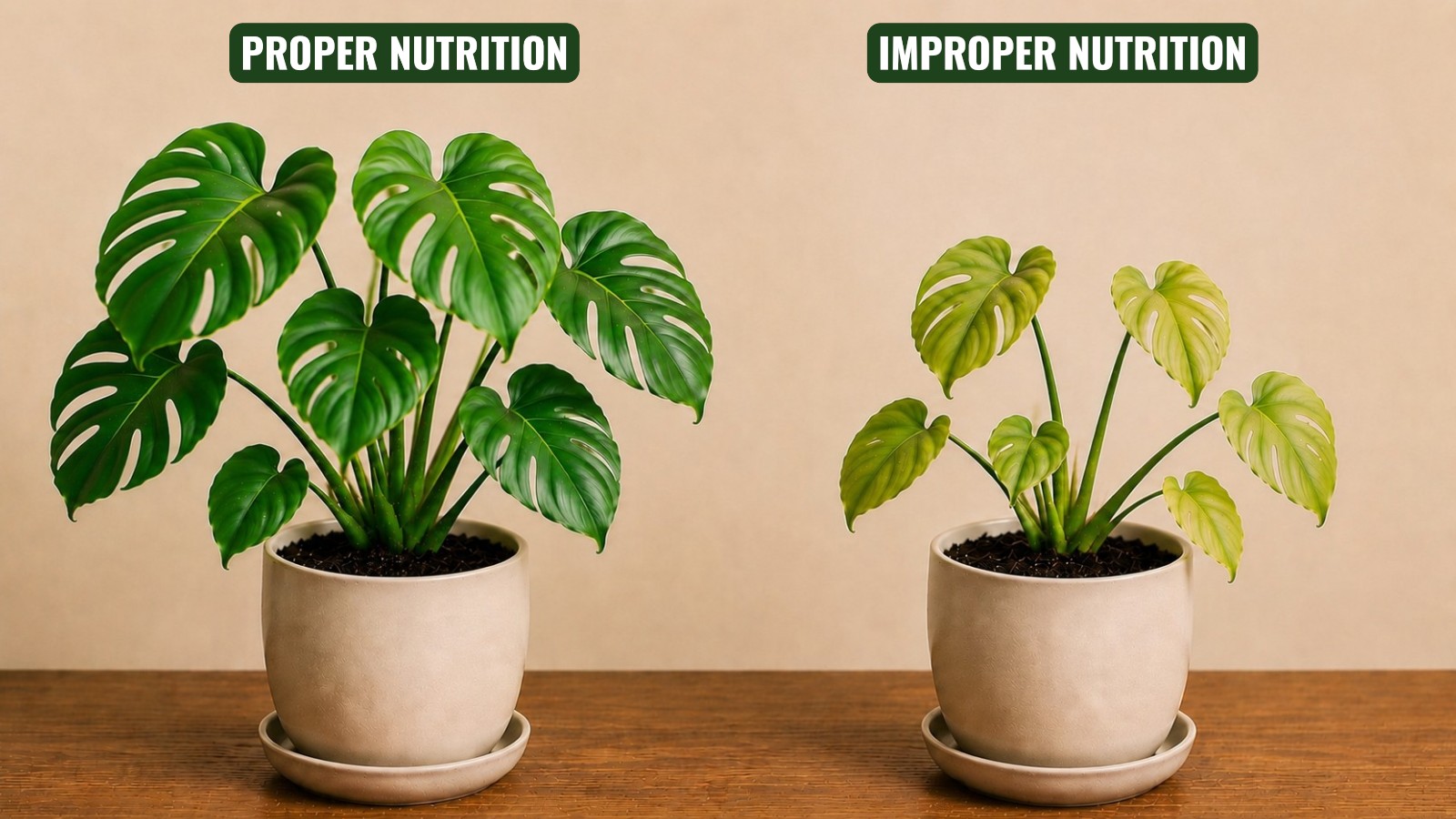
Would you like to learn more about plant nutrition? Read more about nutrients, growth periods and supporting healthy plant development. Read more →
Repotting
Over time, roots can take up more and more space within a pot. As a result, the available room for further growth changes. Repotting is not only about moving a plant into a larger pot, but also about renewing the conditions in which the roots develop.
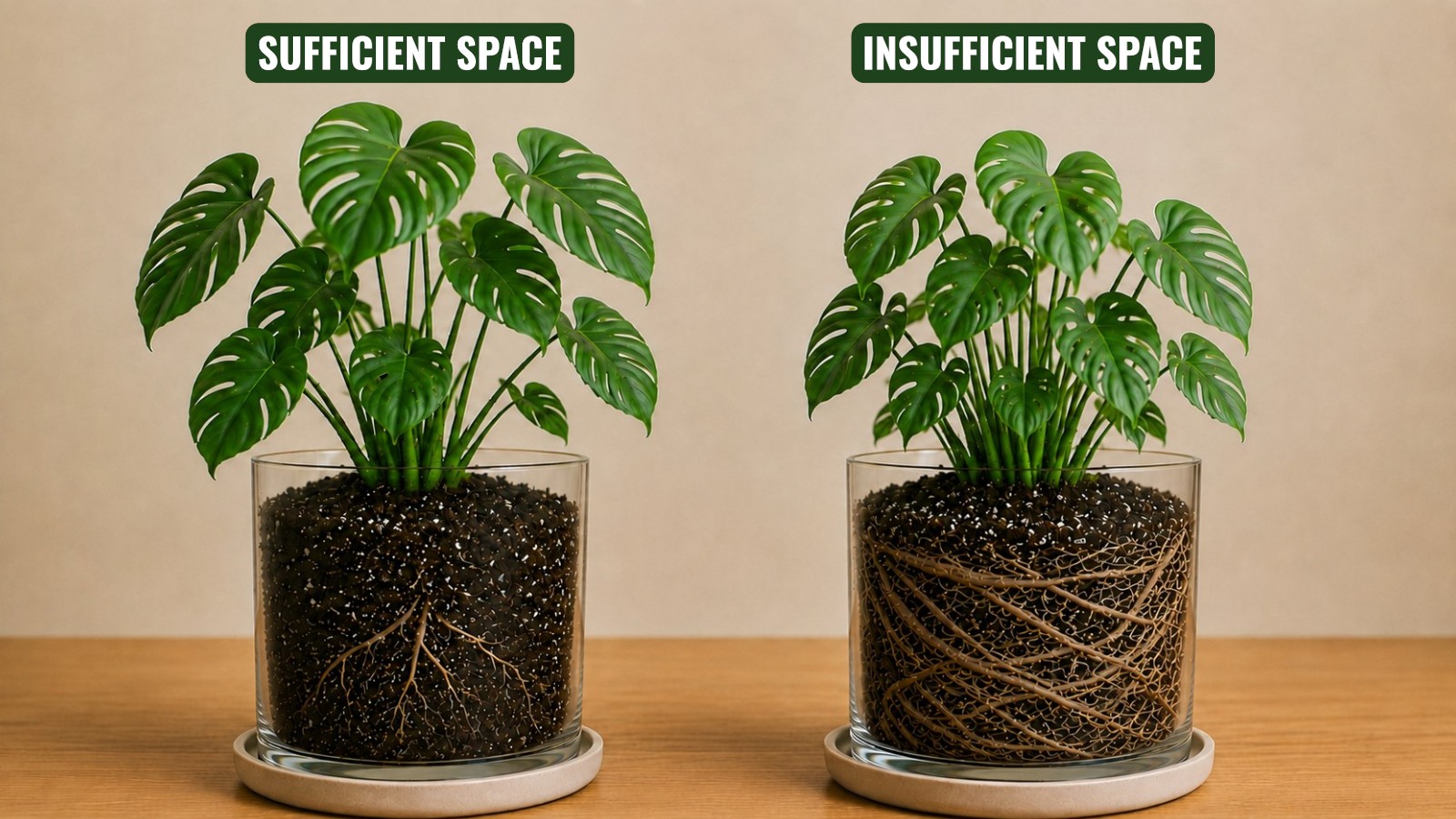
Would you like to learn more about repotting? Read more about root space, plant development and the signs that may indicate a plant is ready for a new pot. Read more →
Temperature
Temperature influences growth rate, water consumption and the overall activity of a plant. Some species tolerate large fluctuations, while others are more sensitive to cold, heat or sudden changes.
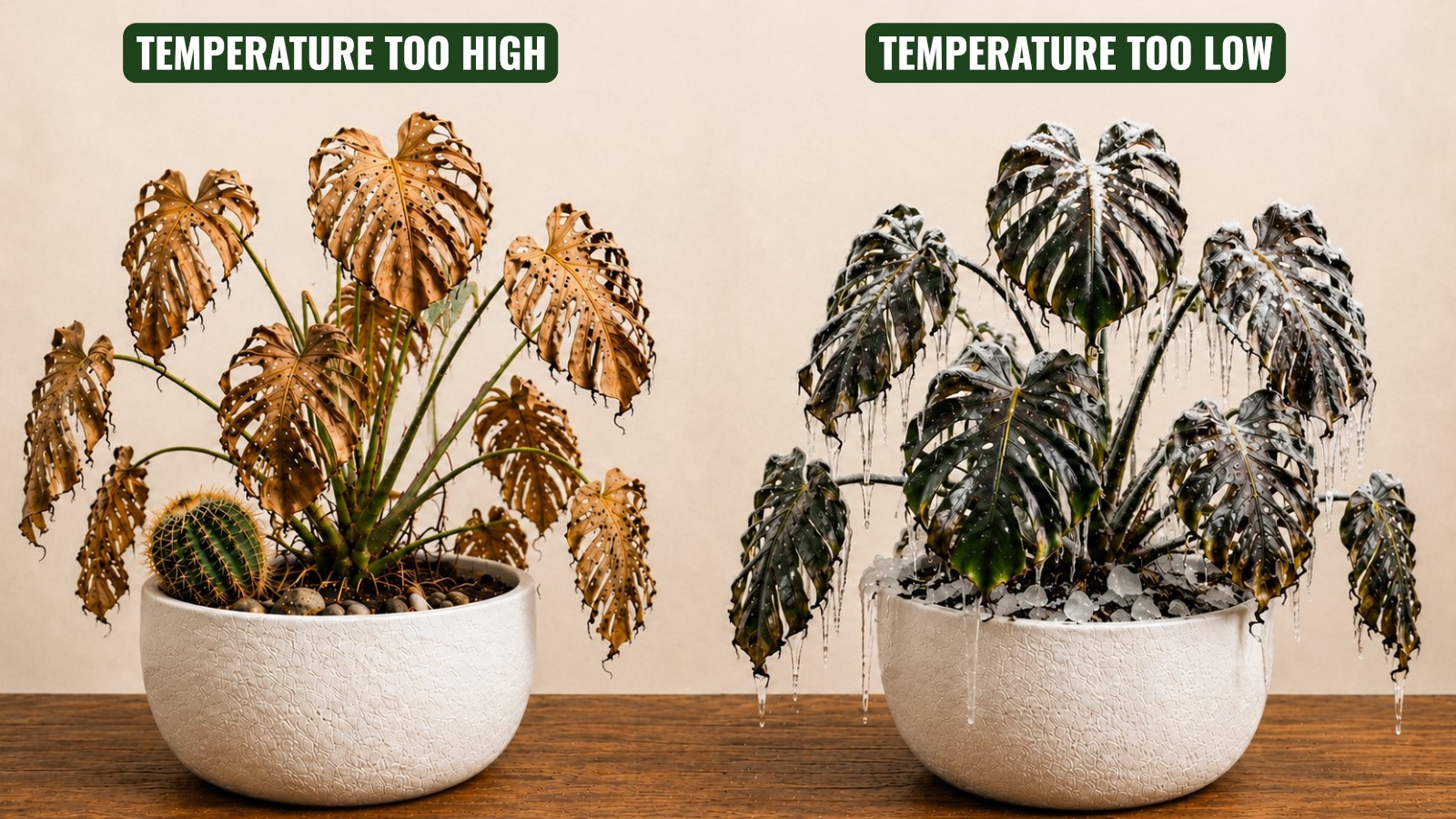
Would you like to learn more about temperature? Read more about temperature differences, growing conditions and creating stable environments for exotic plants. Read more →
How do these factors work together?
Light, water, nutrition and temperature are often viewed as separate aspects of plant care. In reality, these factors have a strong influence on one another. A plant that receives more light will often use more water. At the same time, the demand for nutrients frequently increases during periods of active growth. When one factor changes, it often affects several other aspects of plant care as well.
Understanding these relationships helps you view plant care not as a collection of separate rules, but as a system in which different conditions continuously influence each other. This makes it easier to recognise changes and better understand why a plant responds in a particular way.
More light often means higher water consumption
Light plays an important role in the amount of energy a plant can use for growth. When a plant receives more light, activity within the plant often increases. As a result, water consumption generally rises compared to darker conditions.
A plant placed in a bright location during summer may therefore have very different water requirements from the same plant during winter. This is why following a fixed schedule is often less effective than observing the conditions in which the plant is growing.
Growth influences nutritional requirements
When a plant is actively producing new leaves, roots or shoots, it uses more nutrients than during periods of limited growth. This does not automatically mean that more fertiliser is always better, but it does mean that nutritional requirements can change throughout the year.
By looking not only at nutrition itself but also at the plant's growth phase, you can often gain a clearer understanding of what the plant actually needs.
Temperature affects more than just growth
Temperature influences a variety of processes within a plant. It affects not only growth rates, but often water consumption and overall plant activity as well.
During warmer periods, a plant may grow faster and use more water, while the same plant may become much less active under cooler conditions. As a result, multiple care factors change at the same time.
Plant care changes with changing conditions
A common mistake is to treat plant care as a fixed list of rules. In reality, conditions constantly change due to seasons, weather, location and plant growth.
For this reason, observation is often more important than following a strict schedule. By understanding how different factors influence one another, it becomes easier to adapt care to the conditions, the season and the plant's stage of development.
What is your plant trying to tell you?
Plants cannot tell us what is happening, but they often show signals. Changes in colour, growth or leaf development are rarely random. In many cases, they are responses to changes in the environment or in the care the plant receives.
For this reason, it is valuable not only to focus on problems, but also to pay attention to what a plant may be trying to communicate. A change does not automatically mean that something is seriously wrong. Often, it is simply a signal that deserves additional observation and attention.
Yellow Leaves
Yellow leaves are among the most common signals a plant can display. However, a yellow leaf does not automatically indicate a problem. In many plants, older leaves are gradually replaced by new growth. In such cases, yellowing is a normal part of the plant's development.
At the same time, yellow leaves can also occur in response to changes in the environment or in plant care. This is why it is important not to focus solely on the leaf itself, but on the bigger picture. Is the discolouration appearing suddenly or gradually? Are multiple leaves affected? Are there other visible changes in the plant? Observing first often provides a clearer understanding of what the plant is trying to communicate.
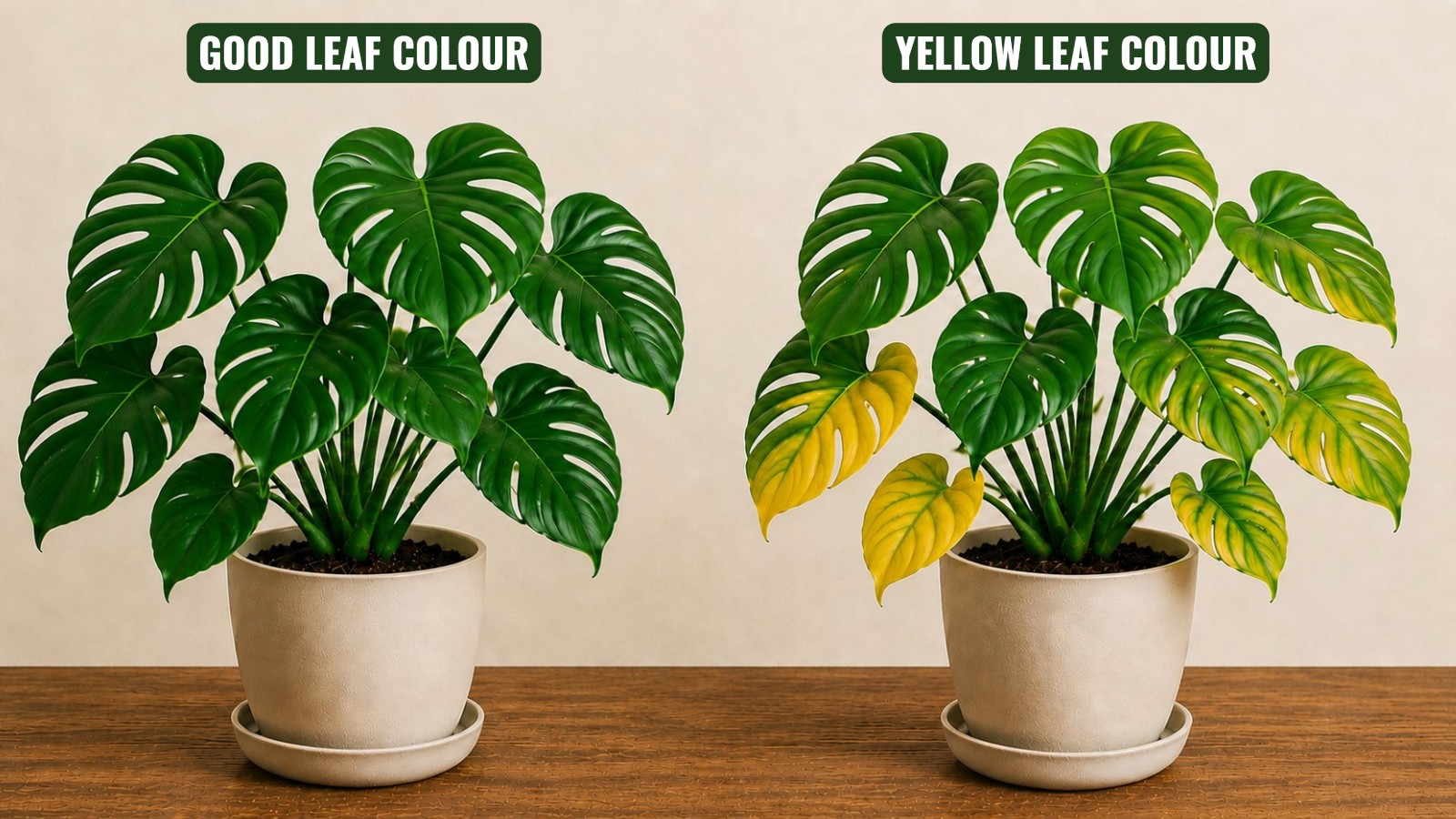
Would you like to learn more about yellow leaves and their possible causes? Read more → Coming soon
Brown Leaf Tips
Brown leaf tips are common in many exotic plants and often stand out immediately. Because the problem usually begins at the ends of the leaves, there is often a tendency to immediately search for a cause. In reality, brown leaf tips can result from many different factors and do not automatically tell the same story for every plant.
It is therefore wise to look beyond the damaged leaf tip itself. How is the rest of the plant developing? Are healthy new leaves continuing to appear? Have the growing conditions changed? By examining multiple signals together, it becomes easier to determine whether this is a temporary response or a change that requires further attention.
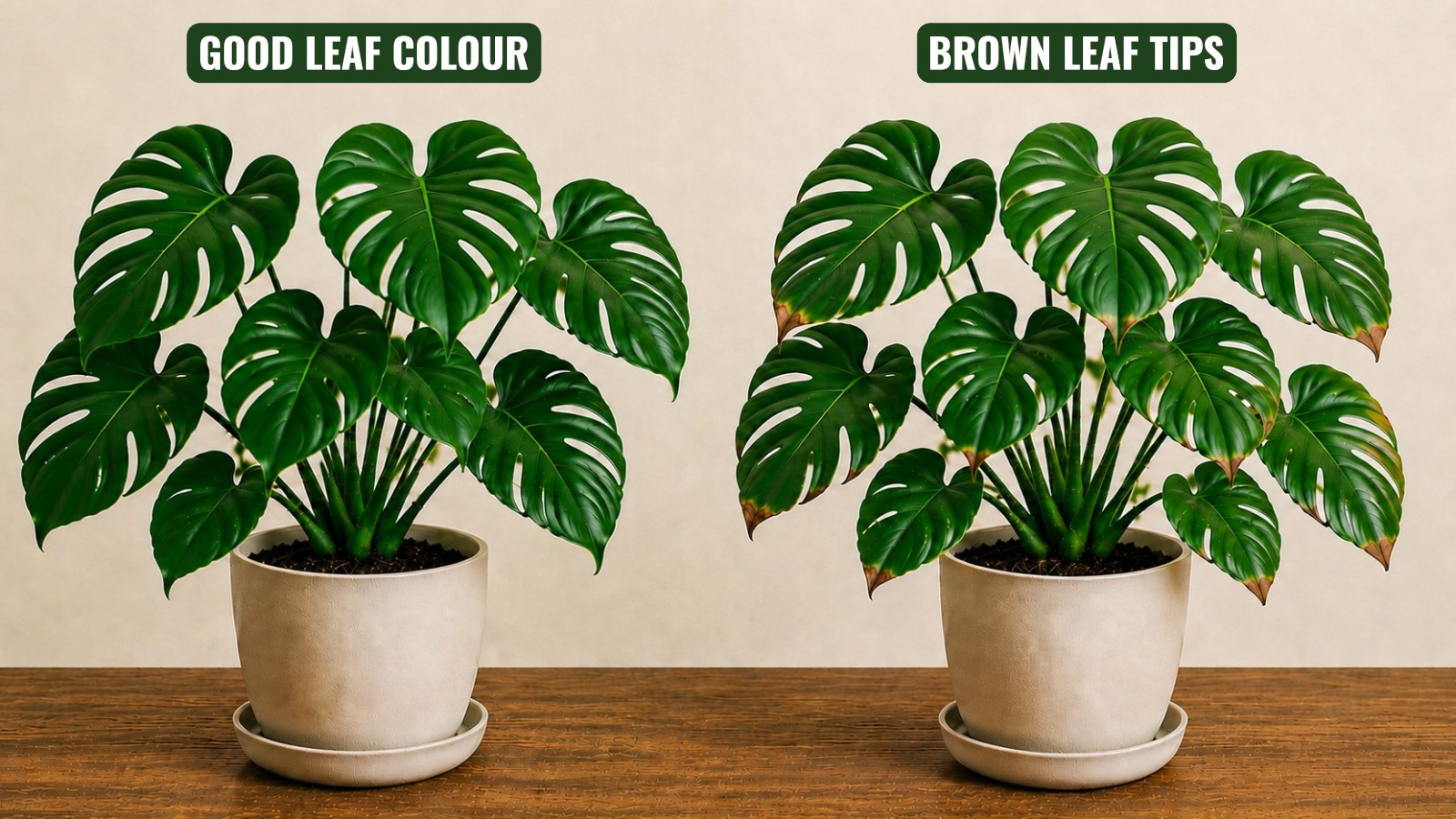
Would you like to learn more about brown leaf tips and the factors that may contribute to them? Read more → Coming soon
Drooping Leaves
Drooping leaves often stand out immediately because they visibly change the appearance of a plant. However, a plant with drooping leaves is not necessarily unhealthy. Some species respond strongly to changes in their environment and may temporarily adopt a different posture.
It is therefore useful not to focus on a single moment, but to observe the development over a longer period. Does the plant recover later in the day? Do other parts of the plant continue to appear healthy? Have there been recent changes in temperature, light or plant care? The progression of a change often provides more information than the signal itself.
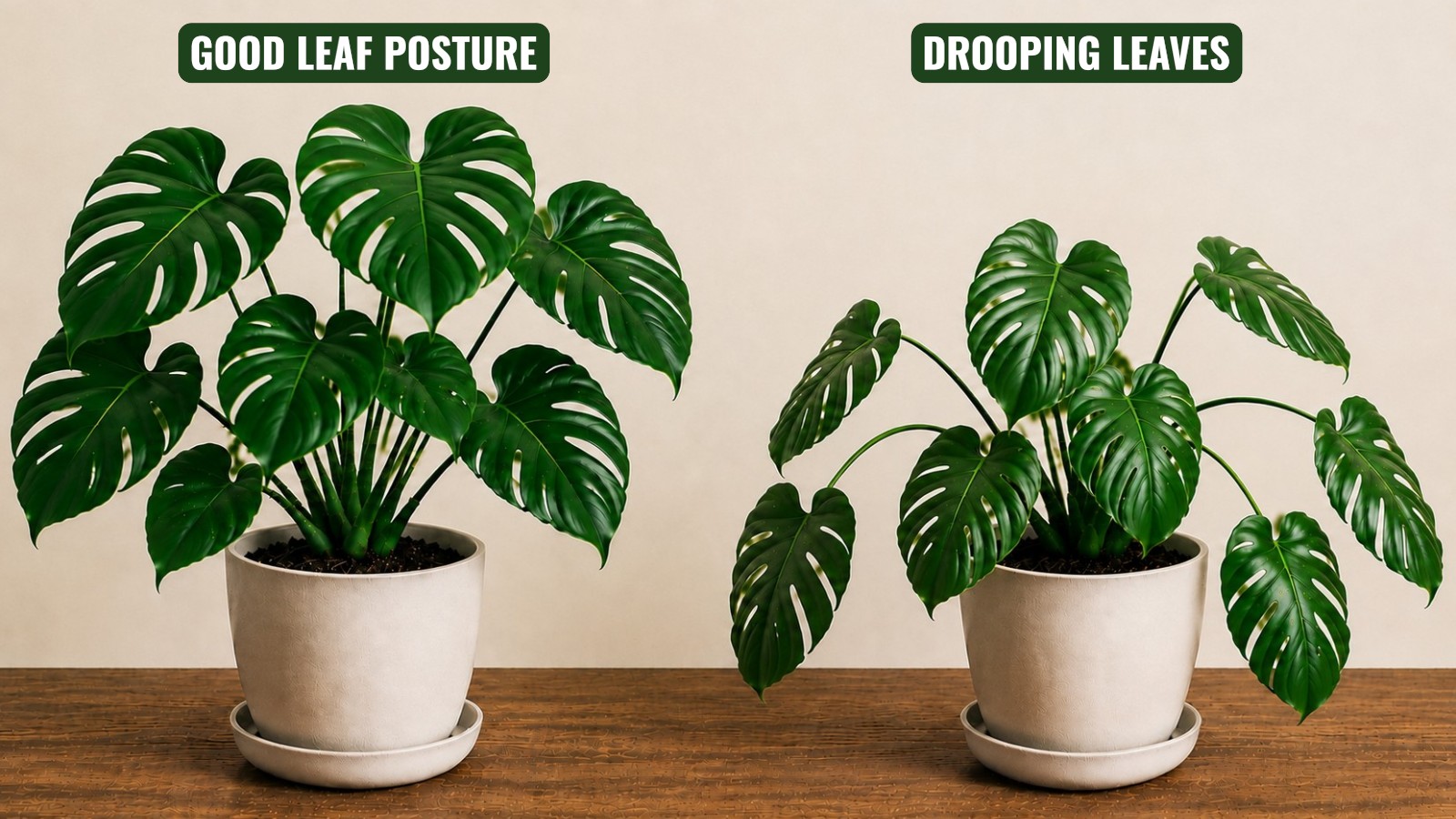
Would you like to learn more about drooping leaves and their possible causes? Read more → Coming soon
Slowed or Stalled Growth
Not every plant grows continuously. Light levels, temperature, the season and the characteristics of the species all influence growth rates. As a result, there may be periods when a plant produces few new leaves or appears noticeably less active.
A decrease in growth does not automatically mean that something is wrong. Many exotic plants go through periods during which they are naturally less active. By taking the growing conditions into account, it often becomes easier to understand what is normal for the species and the time of year.
Would you like to learn more about slowed growth and the factors that may influence it? Read more → Coming soon
Look at the Bigger Picture
An individual signal often tells only part of the story. By looking at multiple signals together, it is usually possible to gain a better understanding of what a plant is trying to communicate.
The better you learn to observe your plant, the easier it becomes to recognise changes and understand which factors may be playing a role.
Not Every Change Is a Problem
Not every change in a plant means that there is immediately a problem. Many exotic plants constantly respond to changes in light, temperature, growing conditions and the time of year. As a result, situations may arise that look unusual but are completely normal.
Recognising these normal changes helps you understand plants better and prevents unnecessary intervention. For this reason, observation is often more valuable than immediately looking for a solution.
Normal Changes Are Part of Growth
Plants continue to develop whenever conditions allow. During this process, leaves, roots and growing points are constantly changing. Not every change needs to be corrected.
For example, a new leaf may look different from older leaves. Leaves can also temporarily display a different colour, shape or texture during development before reaching their final appearance. These changes are often a normal part of the plant's growth process.
Not Every Growth Pause Is a Problem
Many plants do not grow actively throughout the entire year. Especially during cooler or darker periods, growth may slow down significantly or almost stop altogether. This does not automatically indicate a problem.
When the rest of the plant appears healthy, a period of reduced growth may simply be a response to changing conditions. Plant growth rarely occurs at a completely consistent rate throughout the year.
Changes After Repotting Are Often Temporary
After repotting, many plants initially direct their energy towards developing new roots. As a result, above-ground growth may temporarily decrease. Some plants need time to adapt to their new environment before resuming active growth.
During this adjustment period, small changes may become visible without necessarily being a cause for concern.
Seasons Influence Plant Development
The amount of light, temperature and day length change throughout the year. Many exotic plants respond by adjusting their growth rate.
As a result, the same plant may look different in summer than it does in winter. A change in growth or activity is therefore not always caused by a problem in plant care.
Give Your Plant Time to Respond
Plants usually do not respond immediately to changes. There can be a delay between a change in care and a visible reaction. This means it is not always easy to determine the cause of a change right away.
By observing a plant over a longer period, it often becomes easier to understand what is actually happening. Patience is therefore an important part of successful plant care.
What Are the Most Common Mistakes?
Many problems do not arise because people intentionally care for their plants poorly, but because certain signals are interpreted incorrectly. What works well for one plant may produce a completely different result for another. As a result, habits can develop that seem logical but may cause problems over time.
Recognising common mistakes helps you better understand your plants and adjust care to the conditions in which they are growing. In many cases, the issue is not a major mistake but a series of small decisions that gradually add up.
Watering Too Quickly
Many plant enthusiasts water their plants with the best intentions. When a plant looks less healthy, there is often a tendency to immediately give it water. In some situations this may help, but certainly not always.
Watering too quickly is one of the most common mistakes in plant care. It is often better to first assess the conditions in which the plant is growing before deciding whether water is needed.
Would you like to learn more about watering and the signals of overwatering or underwatering? Read more →
Treating Plant Care as a Fixed Schedule
It is tempting to care for plants according to a fixed schedule. However, conditions are constantly changing. Light levels, temperature, humidity and growth rates can vary significantly throughout the year.
As a result, a schedule that works well during summer may be less suitable during another season. Observation therefore remains more valuable than following fixed rules.
Would you like to learn more about adjusting plant care to changing conditions? Read more → Coming soon
Choosing the Right Location
The importance of a plant's location is often underestimated. Yet light plays a major role in growth, water consumption and overall plant development.
When a plant does not receive conditions that suit the species, changes may occur that are easily mistaken for other problems. A suitable location often forms the foundation for healthy growth.
Would you like to learn more about light and location? Read more →
Intervening Too Quickly
Many changes in plants do not happen overnight. Nevertheless, there is often a tendency to immediately adjust something when a plant behaves differently than expected.
In practice, plants often need time to adapt to changes in care or environment. Making multiple adjustments at once can make it more difficult to understand what is actually happening.
Would you like to learn more about interpreting changes in plants? Read more → Coming soon
Focusing on a Single Signal
A yellow leaf, a brown leaf tip or a temporary pause in growth rarely tells the whole story. When attention is focused on only one signal, it becomes easy to form an incomplete picture of the situation.
Looking at multiple signals together often makes it easier to understand changes and adapt care accordingly.
Would you like to learn more about recognising plant signals? Read more → Coming soon
Good Plant Care Begins with Observation
When caring for exotic plants, it is tempting to search for fixed rules. However, every plant demonstrates that care involves more than a checklist of actions that always produce the same result. Light, water, temperature, nutrition and growth constantly influence one another and change with the conditions.
For this reason, good plant care does not begin with watering, fertilising or moving a plant. Good plant care begins with observation. The better you learn to recognise the signals your plant provides, the easier it becomes to understand changes and adapt care accordingly.
Many signals displayed by plants are not direct warnings but indications. A yellow leaf, a temporary pause in growth or a change in appearance does not automatically mean that something is wrong. By first looking at the bigger picture, it often becomes easier to understand what a plant is trying to communicate.
There is also no single care schedule that works for every plant, every season and every situation. What works well today may not produce the same results several months from now. Conditions are constantly changing, and plants change with them. This is why observation often remains more valuable than following fixed rules.
Ultimately, successful plant care is not about solving problems as quickly as possible. It is about understanding your plant and the care it needs. The better you learn to observe, the easier it becomes to recognise changes, adapt care to changing conditions and care for your plants with confidence.
Frequently Asked Questions
How Often Should I Water My Exotic Plant?
There is no fixed rule that works for every plant and every situation. Water requirements are influenced by factors such as light, temperature, humidity, pot size and the plant's stage of growth. As a result, the same plant may require different amounts of water throughout the year.
Would you like to learn more about watering and determining the correct water requirements? Read more →
Are Yellow Leaves Always a Problem?
No. Yellow leaves can be a signal that a plant is responding to something, but they do not automatically indicate a problem. In many plants, older leaves are naturally replaced by new growth. Changes in growing conditions can also influence leaf colour.
Would you like to learn more about yellow leaves and their possible causes? Read more → Coming soon
Why Is My Plant Not Growing?
Not every plant grows actively throughout the entire year. Light, temperature, seasons and species characteristics all influence growth rates. A period of reduced growth therefore does not automatically mean that something is wrong.
Would you like to learn more about slowed growth and the factors that may influence it? Read more → Coming soon