Discovering & Collecting
Discovering plants often begins long before a species appears in the webshop. Travel, natural habitats, specialist contacts, botanical gardens and seeds together form the basis for searching for new or lesser-known plants.
Herbert Riphagen travels every year, particularly to Asia. After finishing school, he also spent many years travelling throughout Southeast Asia and South America. His name remained associated with expeditions, different origins, hardiness and the stories behind rare palms.
Contacts and Targeted Searches
Thanks to his plant knowledge and his many contacts and journeys through the jungle, ExoticsAtHome also supplies many plants to botanical gardens. This often involves plant lists containing species that are not always available and sometimes need to be specifically sought in nature.
For such requests, targeted searches are conducted through his international contacts and, when necessary, in nature. Many of these unusual species can eventually also be found on the ExoticsAtHome website.
Learning from Natural Habitats
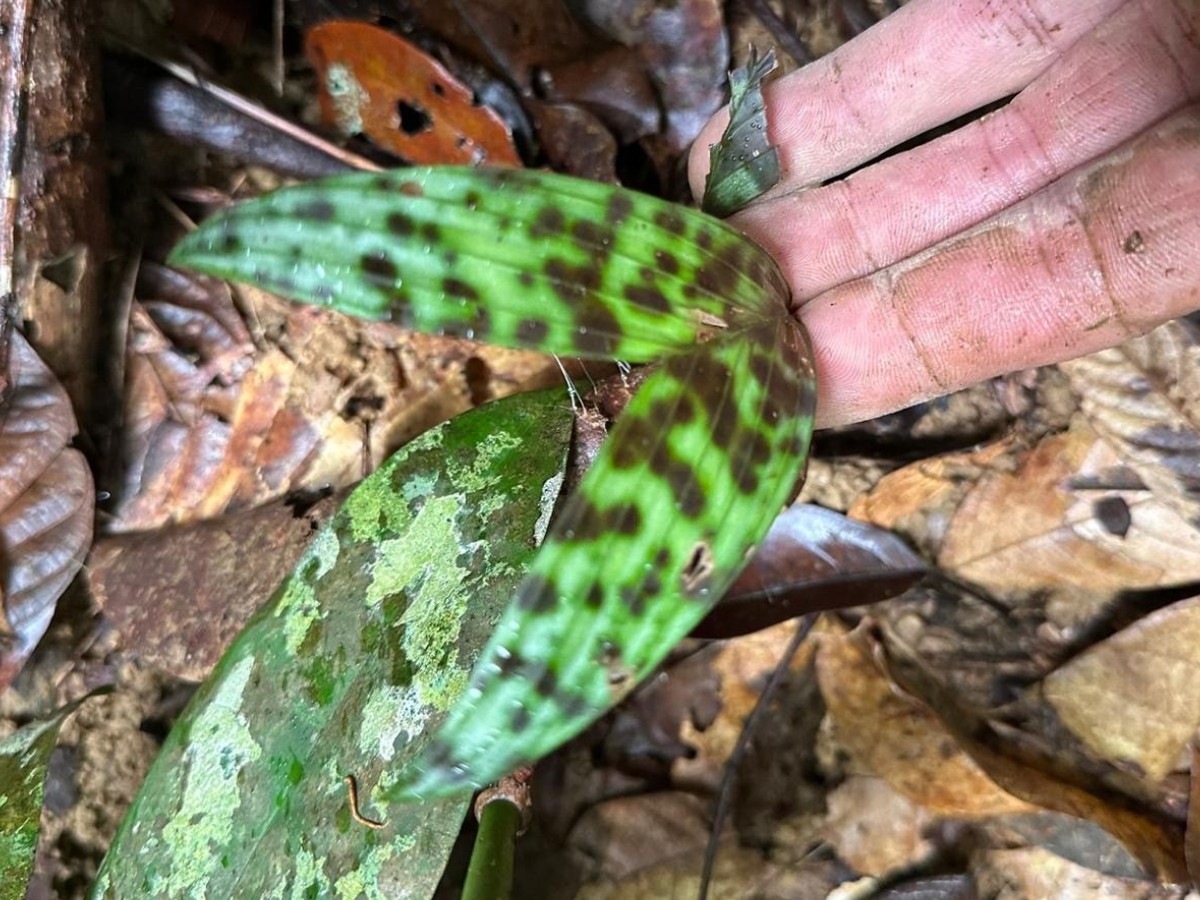
Herbert visits many natural habitats of palm species. Observing plants in their natural environment provides a clearer understanding of the conditions in which a species occurs and how different origins and populations can vary.
These experiences help with selecting and cultivating plants. The origin is an important part of the story behind a species and of the knowledge that can later be shared with other enthusiasts.
Fresh Seed of Known Origin
Many palms at ExoticsAtHome are cultivated from our own seed. During these visits, Herbert tries to obtain fresh seed. Some of this seed is also resold by him to other traders.
These are often exclusive species, for example from groups such as Trachycarpus, Licuala and Johannesteijsmannia. The freshness and origin of the seed are important parts of searching for, collecting and eventually cultivating these plants.
From Thailand to the Netherlands
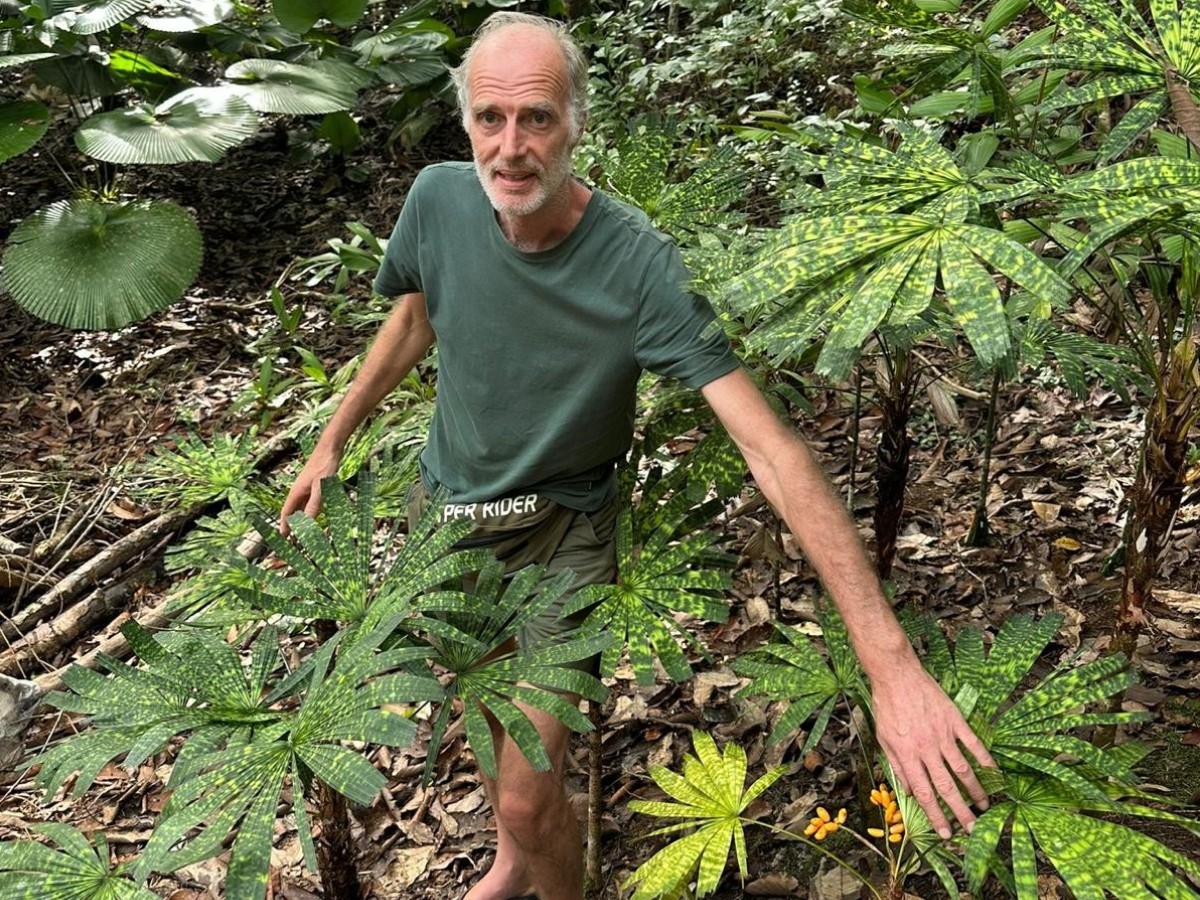
Herbert’s many contacts and annual journeys, particularly to Asia, led him to establish a company in Thailand in 2024. Through this company, the new plants he finds can be sent to his company in the Netherlands much more easily.
Discovery Takes Time
Not every plant or species found can be offered immediately. When seed is involved, it must first be collected and germinated, after which the young plants are slowly cultivated and monitored.
The Thai phase of recent years has brought Herbert back to the core: searching, selecting, cultivating plants slowly and discovering new species in nature to make remarkable plants available internationally.
Attention to Habitats and Local Cooperation
An important aim is to protect natural habitats in cooperation with the local population, so that fresh seed can continue to be harvested in the future. Climate change and other factors are placing some plant populations under pressure in various locations.
Collecting seed and searching for plants therefore cannot be separated from consideration for their natural habitats and the people who live there.
Making Plants Visible and Available
Riphagen’s significance did not lie in formally naming new species. He made rare plants visible, brought plant material and stories to Europe, tested different origins in practice and built a market and a community around these plants.
ExoticsAtHome continues this work by searching, collecting, cultivating and documenting, so that remarkable plants and the stories behind their origins can be shared with other enthusiasts.